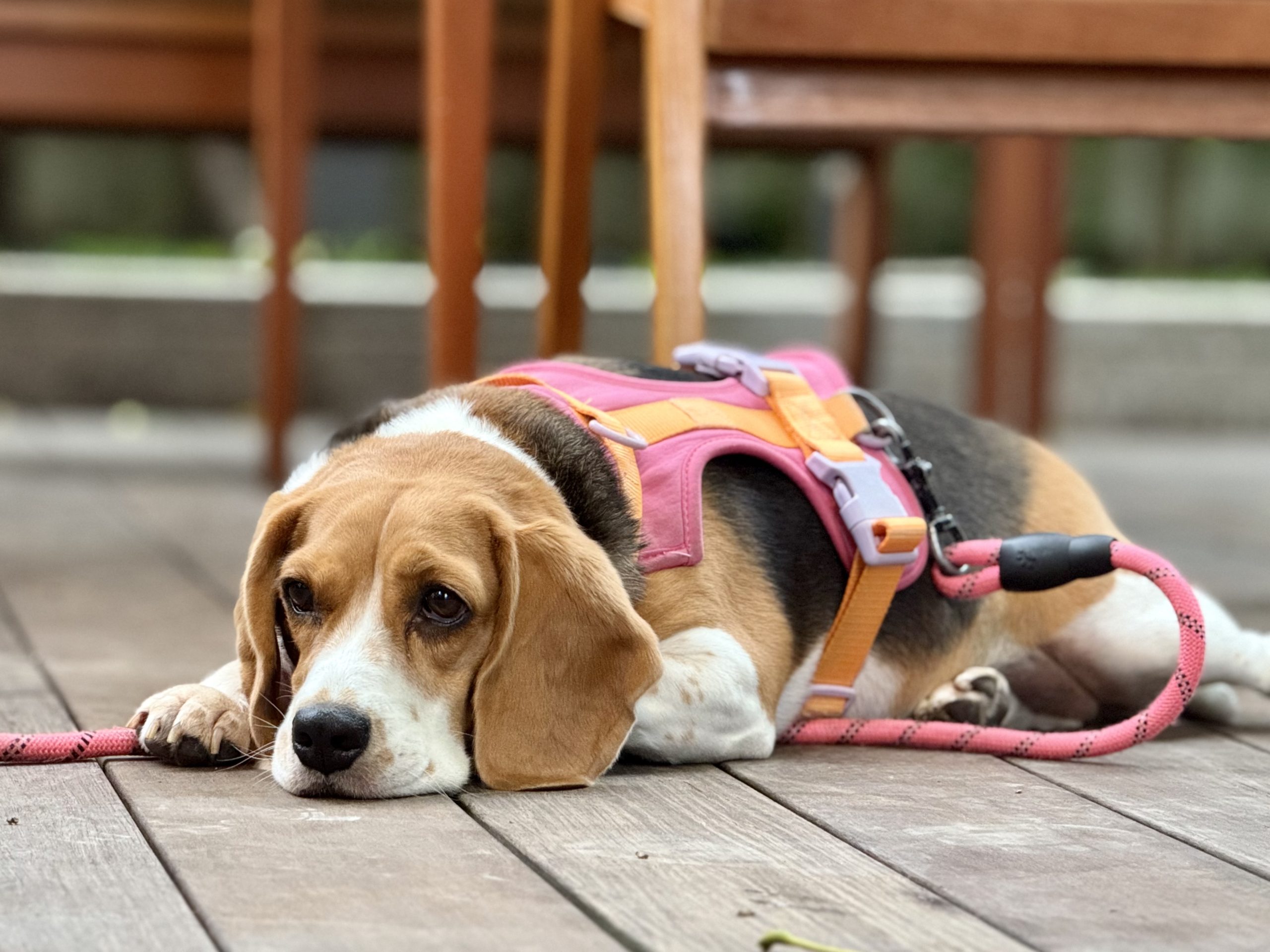
Dog-friendly restaurants, cafés and pubs work well when everyone knows the ground rules. In the UK it is not against the law for dogs to be in eating places, but it is up to each business to decide whether to allow them, and every venue must keep dogs out of kitchens and food storage areas. So the short answer is: check first, keep your dog close and settled, and leave the table as you found it. This checklist takes you through choosing a place, settling in and leaving on good terms.
Key takeaways
- Dogs in UK restaurants and pubs are allowed only if the business chooses to welcome them.
- Food preparation and storage areas must stay dog-free in every venue.
- Keep your dog on a short lead, on the floor and out of walkways.
- Assistance dogs are treated differently from pet dogs.
Before you go: choosing dog-friendly restaurants
- Check the venue’s policy. Look at the website or call ahead. Some places welcome dogs everywhere, some only in the bar or on the terrace, and some not at all.
- Ask about the times. A place that welcomes dogs on a quiet weekday afternoon may not at a busy Saturday dinner.
- Ask for the right table. A corner or a table against a wall gives your dog somewhere to lie without being stepped over.
- Think about your dog’s temperament. Long, crowded meals are hard work for a nervous or young dog. A short coffee stop is a better first outing.
- Exercise first. A walk beforehand makes it far more likely your dog will settle.
Councils publish guidance for food businesses that welcome dogs. Dover District Council’s food safety guidance for dog-friendly food businesses is a clear example: it confirms that having dogs in restaurants, cafés and pubs is not against the law, that owners decide whether to allow them, and that dogs must be kept out of areas where food is prepared, handled or stored.
At the table: the etiquette checklist
- Short lead, always. The same council guidance asks that dogs are kept on short leads rather than long retractable ones.
- Floor, not furniture. Dogs should not sit on chairs or benches or be lifted onto tables.
- Keep walkways clear. Staff carry hot plates and trays; a tail or lead across the aisle is a trip hazard.
- No feeding from plates or cutlery. Bring your own treats and a portable bowl if your dog needs one.
- Water. Many dog-friendly places put out bowls. Ask before using one, and do not wash your dog’s bowl in a basin meant for people.
- Watch the neighbours. Not every diner likes dogs, and some are allergic or nervous. Keep your dog from approaching other tables.
- Noise. If your dog barks or whines persistently, step outside for a few minutes rather than letting it continue.
- Accidents. Tell staff straight away so they can clean up properly; the guidance asks for prompt cleaning with disposable materials and disinfectant.
Assistance dogs are different
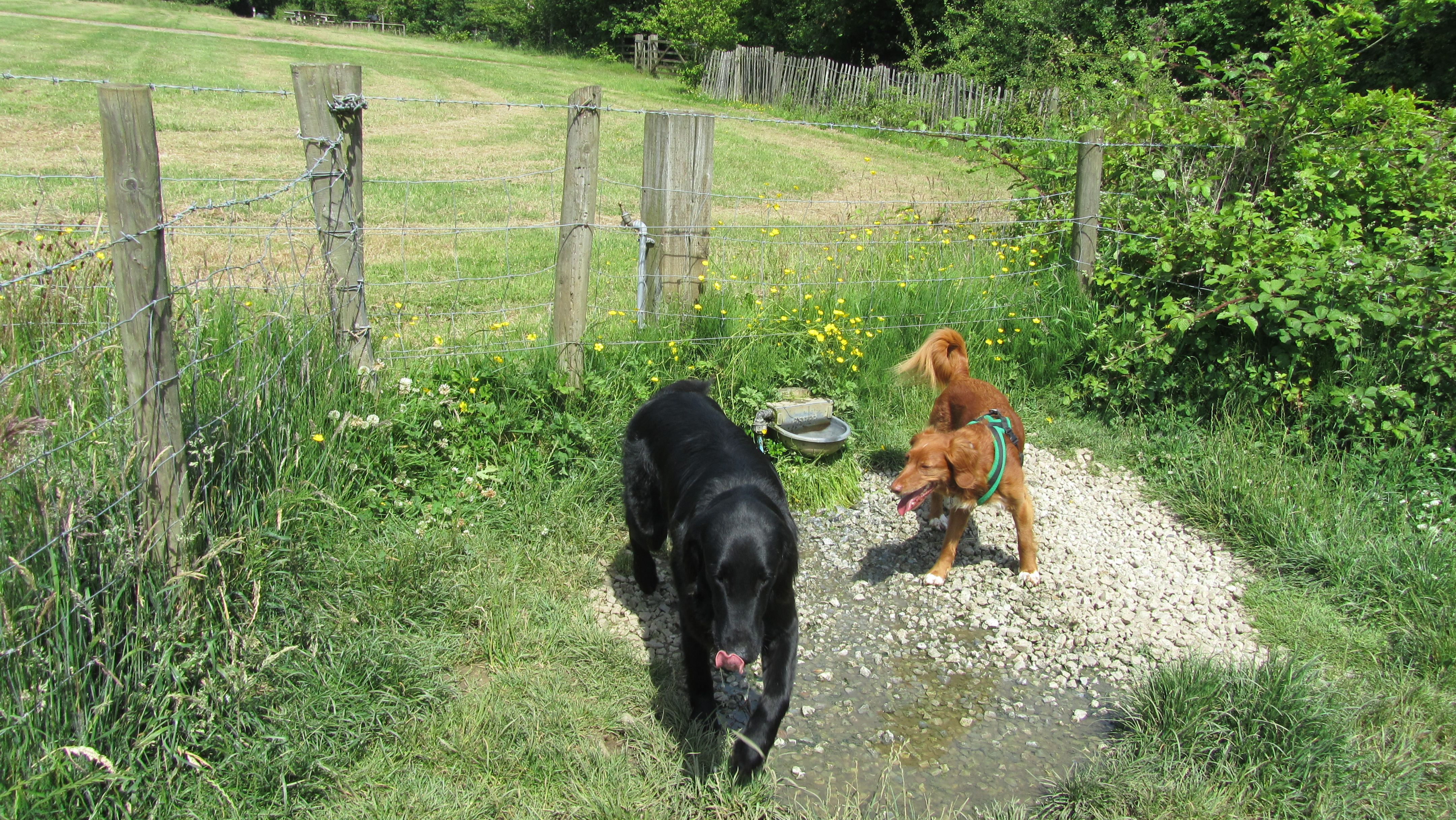
Assistance dogs are trained working dogs and are treated differently from pets. Carmarthenshire County Council’s page on dogs in food premises notes that an exception is usually made for assistance dogs, and that under the Equality Act 2010 businesses must not refuse disabled people for disability-related reasons and must make reasonable adjustments. If you see an assistance dog in a restaurant, do not distract or feed it.
Building up to a longer meal
If your dog has never been to a café or pub, start small. A ten-minute stop for a drink at a quiet time teaches your dog that a table means lying down and waiting, not exploring. Bring a mat or blanket it already knows, because a familiar smell helps it settle on an unfamiliar floor. Sit where your dog can see you and the room without being in the way. Over a few visits, stretch the time until a full meal feels routine. Puppies and rescue dogs may need many short visits before a busy lunch is fair on them.
Inside or on the terrace?
| Setting | Works well when | Watch out for |
|---|---|---|
| Outdoor terrace | Your dog is lively or easily distracted | Weather, passing dogs, busy pavements |
| Bar area of a pub | Short visits and relaxed meals | Crowds and dropped food at busy times |
| Dining room | Calm, older dogs used to long meals | Tight spaces between tables |
| Café counter seating | Quick stops | Stools leave nowhere for a dog to lie |
After the meal
- Thank the staff, especially if they brought water or found you a quieter table.
- Check under the table for dropped food, toys or hair.
- If the visit went badly, take it as information rather than failure. Try a shorter stop next time.
Frequently asked questions
Are dog-friendly restaurants allowed to let dogs inside?
In the UK, yes, if the owner chooses to and keeps dogs out of food preparation and storage areas. Rules differ in other countries and sometimes between local authorities, so check locally when you travel.
Can a restaurant refuse my dog?
A business can decide not to allow pet dogs. Assistance dogs are treated differently because of equality law.
Should I order something for my dog?
Only if the venue offers it. Some places have water or treats for dogs; otherwise bring your own and keep it simple.
Make it a good visit for everyone
Pick a place that genuinely welcomes dogs, book a table with space, walk your dog first and keep the visit short until you know how it copes. The same small courtesies that make any meal out pleasant apply here: our restaurant reservation etiquette checklist and notes on slow dining are both worth a look before a longer lunch. More ideas on food and everyday life are in our Lifestyle section.