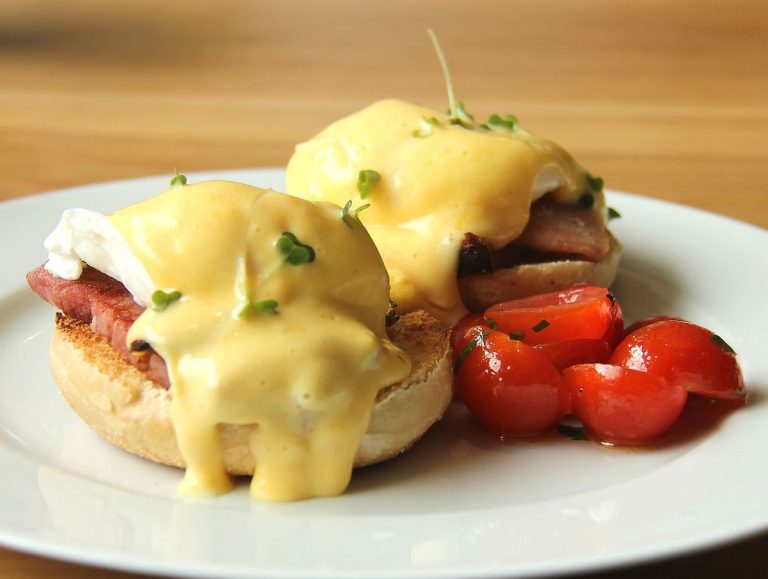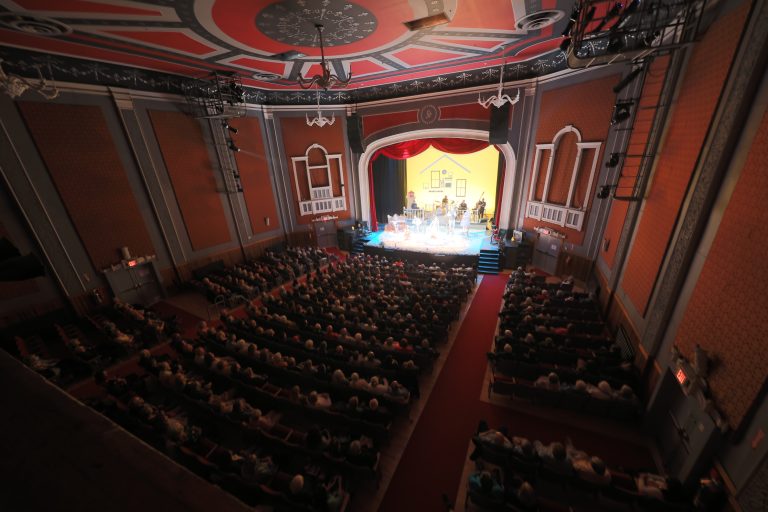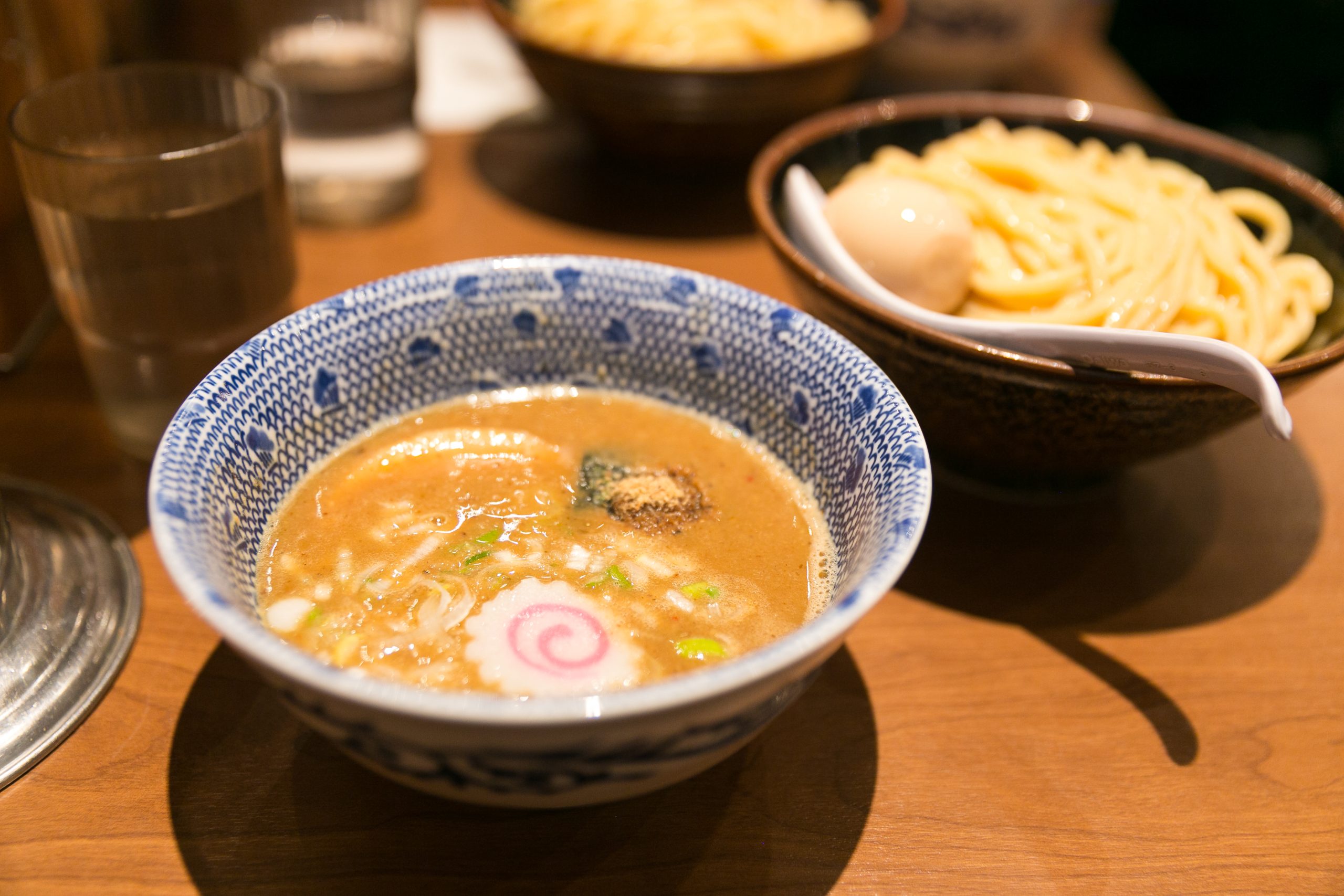
Dining alone goes best when you choose the setting deliberately: a place with counter or bar seating, a time outside the main rush, and something to order that you would not get to try with a group. Book or walk in with confidence, ask for a seat with a view of the room or the kitchen, and treat the meal as time for yourself rather than time to fill. Most restaurants are glad of a solo guest, and many seats suit one person better than two.
Here is how to make a solo meal out something you look forward to.
Key takeaways
- Counter, bar and kitchen-facing seats are made for one person.
- Off-peak times mean better seats and more attentive service.
- Book a table for one the same way you would book for two.
- Bring something to read if you like, but try a few minutes without it.
- Order the dish you would never get the table to agree on.
Why dining alone is worth doing
Eating out on your own has become ordinary in many places. In South Korea, for example, there is a word for it. The encyclopaedia entry on honjok, the term for people who do things alone, explains that honbap means eating alone, and that the idea became widely known around 2017 as more people ate, drank and travelled solo. The same entry notes that solo-friendly dining was even sorted into levels, from convenience stores up to barbecue restaurants.
How it feels depends a lot on whether you chose it. A 2021 study of South Korean university students found that those whose time alone was self-chosen reported more satisfaction with eating alone, while solitude that was not chosen was linked with higher depression scores. The study was a survey, so it shows associations rather than cause and effect, but the practical lesson is simple: a solo meal you plan and look forward to is a different experience from one you fall into.
How to plan a solo meal out, step by step
- Pick the right kind of place. Restaurants with a counter, a bar that serves food, or an open kitchen are natural for one. So are places built around single portions: noodle bars, dumpling houses, oyster bars, cafés. Our explainer on counter-service restaurants covers one easy entry point.
- Choose your time. A late lunch or an early dinner on a weekday tends to mean more choice of seats and staff with time to talk. Friday and Saturday evenings at peak time are the hardest for a table for one.
- Book like anyone else. Ask for “a table for one” without apology. If you have a preference, say so: “a seat at the counter if you have one” or “somewhere by the window”. The same courtesies covered in our restaurant reservation etiquette checklist apply, including turning up on time and cancelling if your plans change.
- Ask for a good seat. If you are offered a table by the toilets or the kitchen door and a better one is free, it is fine to ask politely for another. A seat facing the room or the kitchen gives you something to watch.
- Order with intent. This is your chance to try the dish nobody else wants to share, or to build a meal from starters. Ask the server what they would choose; staff often have more time for solo guests.
- Settle in. Put your phone face down for the first few minutes and look around. Then read, write or scroll if you want to. There is no rule against it.
- Pace it your way. Have dessert or a coffee if you want to stay; ask for the bill when you are ready. Nobody is waiting on you.
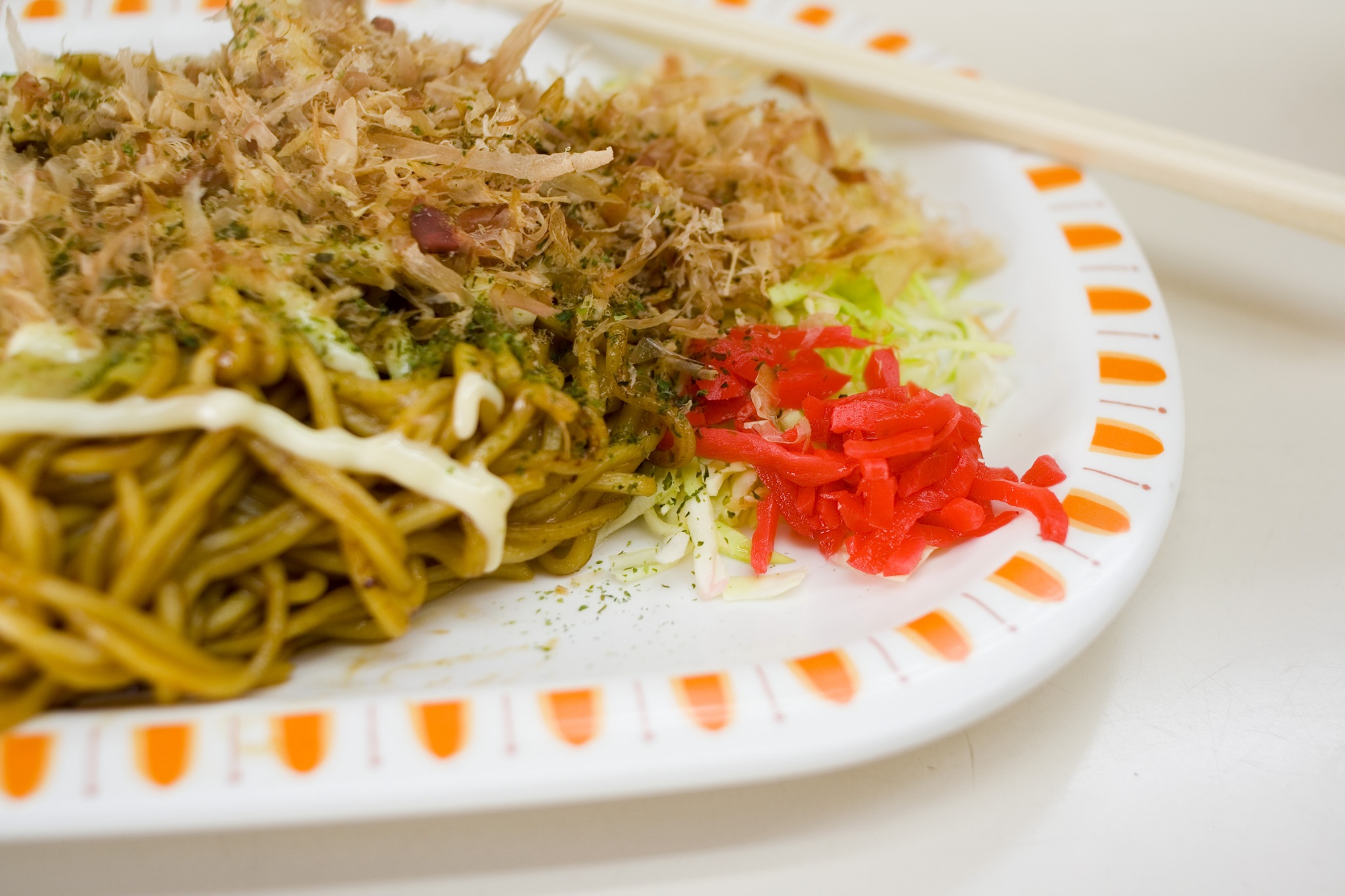
Choosing the right seat when dining alone
| Seat | Best for | Things to know |
|---|---|---|
| Counter facing the kitchen | Watching food being made, easy chat with cooks | Can be warm and busy; good for shorter meals |
| Bar seat | Relaxed meals, drinks with food | Check the full menu is served at the bar |
| Window table | People-watching, reading | Often popular; mention it when you book |
| Small table in the room | A quieter, longer meal | Ask to avoid spots by the door or service station |
| Communal table | Casual meals, chance of conversation | Neighbours may chat; easy to keep to yourself too |
What to do while you eat
You do not need to fill every minute. Many solo diners find that the meal itself is enough: noticing how dishes are put together, watching the room, enjoying the quiet. If you want company of a kind, sit at the counter and ask the cook or bartender a question about the menu. If you want to be left alone, a book is a clear and friendly signal.
Travelling on your own is where these habits pay off. A solo meal can be the highlight of a day in a new city, and a guided walking food tour is another easy way to eat well and meet people without arranging anything.
Frequently asked questions
Will restaurants turn away a table for one?
Some very busy places may hesitate to give a large table to one guest at peak time, which is why counter and bar seats are useful. Booking ahead and choosing a quieter time usually solves it.
Is it awkward to eat alone at a fine dining restaurant?
Not usually. Many fine dining kitchens are used to solo guests, especially for tasting menus. Say you are dining alone when you book so they can seat you well.
How do I tip when dining alone?
Exactly as you would with company. A solo guest takes the same care to serve, so follow the local custom for the country you are in.
Booking your first table for one
Choose a place with a counter or bar, aim for a quieter time, and make the booking without apology. Order something you have been curious about, and give yourself permission to linger. For more ideas on choosing places for particular moments, browse our occasions guides.