Slow dining means treating a meal as time well spent rather than a gap to be filled quickly. You order in stages, let courses arrive with space between them, and give the conversation as much attention as the food. It is better for most people because it is more enjoyable, more sociable and gives your body a fairer chance to register that it has eaten. You do not need a special restaurant to do it: you need a free afternoon or evening, the right booking and a willingness to let the meal set the pace.
Key takeaways
- Slow dining is about pace and attention, not about any particular cuisine or price level.
- The idea has deep roots, from the Slow Food movement to the French gastronomic meal recognised by UNESCO.
- Eating more slowly gives your body’s fullness signals time to work.
- Book with time to spare, order in stages and tell staff you are in no hurry.
What slow dining actually means
There is no formal definition, and that is part of the appeal. In practice slow dining has a few recognisable features:
- Time set aside. The meal is the main event of the afternoon or evening, not a stop on the way to something else.
- Courses in sequence. Several smaller courses, eaten one after another, rather than one large plate eaten fast.
- Conversation. The table talks, and nobody is checking the time.
- Attention to the food. You notice what you are eating, where it comes from and how it has been cooked.
It is closely related to, but not the same as, a formal tasting menu. A tasting menu sets a long pace for you; slow dining is a choice you can make anywhere, from a neighbourhood bistro to a family table.
Where the idea comes from
Long, sociable meals are old, but two modern reference points help explain why the idea has spread.
The first is the Slow Food movement. According to Slow Food’s own account, it started in Italy in March 1986 and is now active in more than 160 countries, working towards food that is “good, clean and fair”. Its focus is wider than restaurants, taking in farming, biodiversity and food education, but its name gave a label to a way of eating that many people already valued.
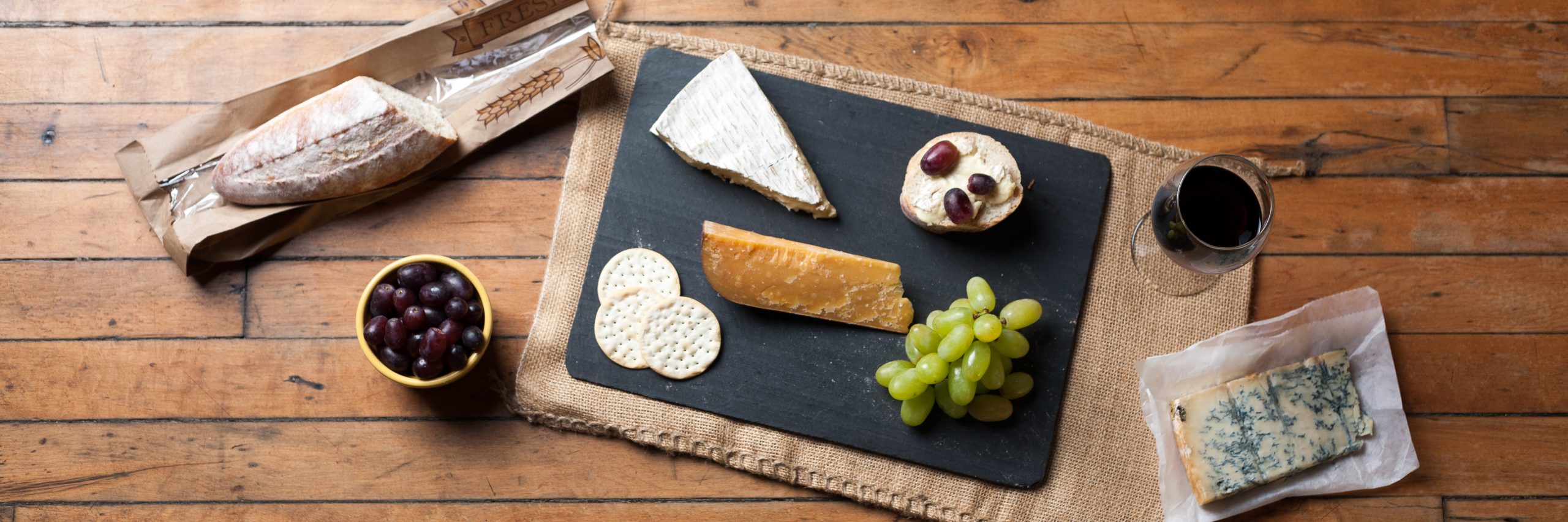
The second is the French gastronomic meal. In 2010 UNESCO added the gastronomic meal of the French to its Representative List of the Intangible Cultural Heritage of Humanity. UNESCO describes it as a festive meal for marking important moments, which opens with an apéritif, ends with liqueurs and contains at least four courses in between: a starter, fish or meat with vegetables, cheese and dessert. Its emphasis is on togetherness and the pleasure of eating and drinking well.

What changes when you slow down
The benefits are partly social and partly physical.
| What you change | What tends to happen |
|---|---|
| Courses arrive with space between them | You taste each dish properly instead of rushing to the next |
| Conversation takes centre stage | The meal becomes the occasion, not a pause in it |
| You eat each course more slowly | Your body has more time to signal that you are full |
| You order in stages | You stop when you have had enough, rather than ordering everything up front |
On the physical side, Harvard Health Publishing explains in an article on why eating slowly may help you feel full that fullness is signalled to the brain both by stretch receptors in the stomach and by hormones released as food reaches the small intestine, and that eating quickly may not give that system enough time to work. The article is careful to say slow eating does not work the same way for everyone, so treat it as a helpful side effect rather than a promise.
How to make room for a slower meal out
Slow dining is easier when you plan for it.
- Book the right slot. Lunch at the weekend or an early-evening table on a quiet night gives you more room than a busy Saturday sitting. If a restaurant runs timed sittings, ask whether a longer booking is possible.
- Say you are in no hurry. A simple “we are not in a rush” when you sit down tells staff how to pace the meal.
- Order in stages. Start with drinks and something small, then decide on the next course. This is easier with a menu built for sharing; our guide to reading a menu like a regular helps you spot which kind you have.
- Put phones away. Not as a rule, just as an experiment for one meal.
- Leave space for the end. Cheese, dessert, coffee or a digestif are where long meals naturally slow down.
If you like the idea of a planned sequence of courses, a tasting menu gives you the long format with the decisions made for you. If you prefer to choose, the casual end of the spectrum works just as well, as our comparison of fine dining and casual dining shows. For more on food and everyday life, browse our Lifestyle section.
Frequently asked questions
Is slow dining just another name for fine dining?
No. Fine dining describes a type of restaurant and service. Slow dining describes how you approach a meal, and you can do it in a café, a bistro or at home. Many long, enjoyable meals happen in very relaxed places.
How long should a slow meal take?
There is no fixed length. What matters is that nobody is rushing. A useful test is whether there is time between courses to talk, without anyone watching the clock.
Will a restaurant mind if we stay a long time?
Some restaurants need tables back for a later booking, so ask when you book or when you arrive. If the table is yours for the evening, staff will usually be happy to pace the meal around you.
Try one slow meal this month
Pick a quiet lunch or an early evening, book a table with no next plan, tell the staff you are in no hurry and order one course at a time. Notice how different the food and the conversation feel. Once you have tried it, you will find it easy to recognise when a meal deserves the extra time.