Good pre-theatre dining comes down to working backwards from curtain-up. Book a table close to the venue for roughly two hours before the show, tell the restaurant when you need to leave, order from a set or pre-theatre menu if there is one, and ask for the bill with your main course. That gives you time to eat properly, walk over without rushing and be in your seat before the lights go down.
The walkthrough below shows how that works on a real evening, step by step.
Key takeaways
- Work backwards from the curtain time, not forwards from when you finish work.
- Book within a short walk of the theatre and say you have a show.
- Set or pre-theatre menus are built for speed; use them.
- Ask for the bill when the main course arrives.
- Keep dessert or a drink for the interval or after the show.
Start with the curtain time
Performance times differ by city and production, so check your ticket rather than assuming. As one example, the encyclopaedia entry on Broadway theatre notes that open-ended Broadway shows generally have evening performances with a 7pm or 8pm curtain, and matinees on some afternoons. London’s West End has, according to the entry on West End theatre, around 40 theatres packed into a compact district, which means plenty of restaurants nearby but also plenty of other theatregoers booking the same early tables.
Two numbers matter: when the show starts and when you can realistically reach the restaurant. Everything else follows.
A pre-theatre dining walkthrough
Say you have two tickets for a 7.30pm show on a weekday, and you can both leave work by 5pm. Here is how the evening might run.
- Pick the restaurant a week or more ahead. You look for somewhere no more than a ten-minute walk from the theatre. A place on the far side of town might look tempting, but a delayed bus is the quickest way to miss the opening. Popular early slots near theatres fill up, so you book as soon as you have tickets.
- Book for 5.30pm and say why. When you book, you mention the show and that you need to leave by 7.05pm. A restaurant used to theatregoers will plan your table around that. The broader courtesies of reservation etiquette apply: arrive on time, and phone if you are running late, because a late arrival squeezes the kitchen as well as you.
- Arrive and order straight away. You read the menu on the way over, so you order as soon as you sit down. If there is a pre-theatre or set menu, you take it. Fixed menus are designed to flow quickly; our comparison of prix fixe and à la carte explains why they suit time-limited meals.
- Keep it to two courses. A starter and main, or a main and a shared side, is plenty. You save dessert for later.
- Ask for the bill when the mains arrive. It sounds abrupt, but it is routine in restaurants near theatres and saves the ten minutes you would otherwise spend trying to catch someone’s eye.
- Leave with time in hand. You are out of the door at 7.05pm, at the theatre by 7.15pm, through security and the bar queue, and in your seats with a few minutes to spare.
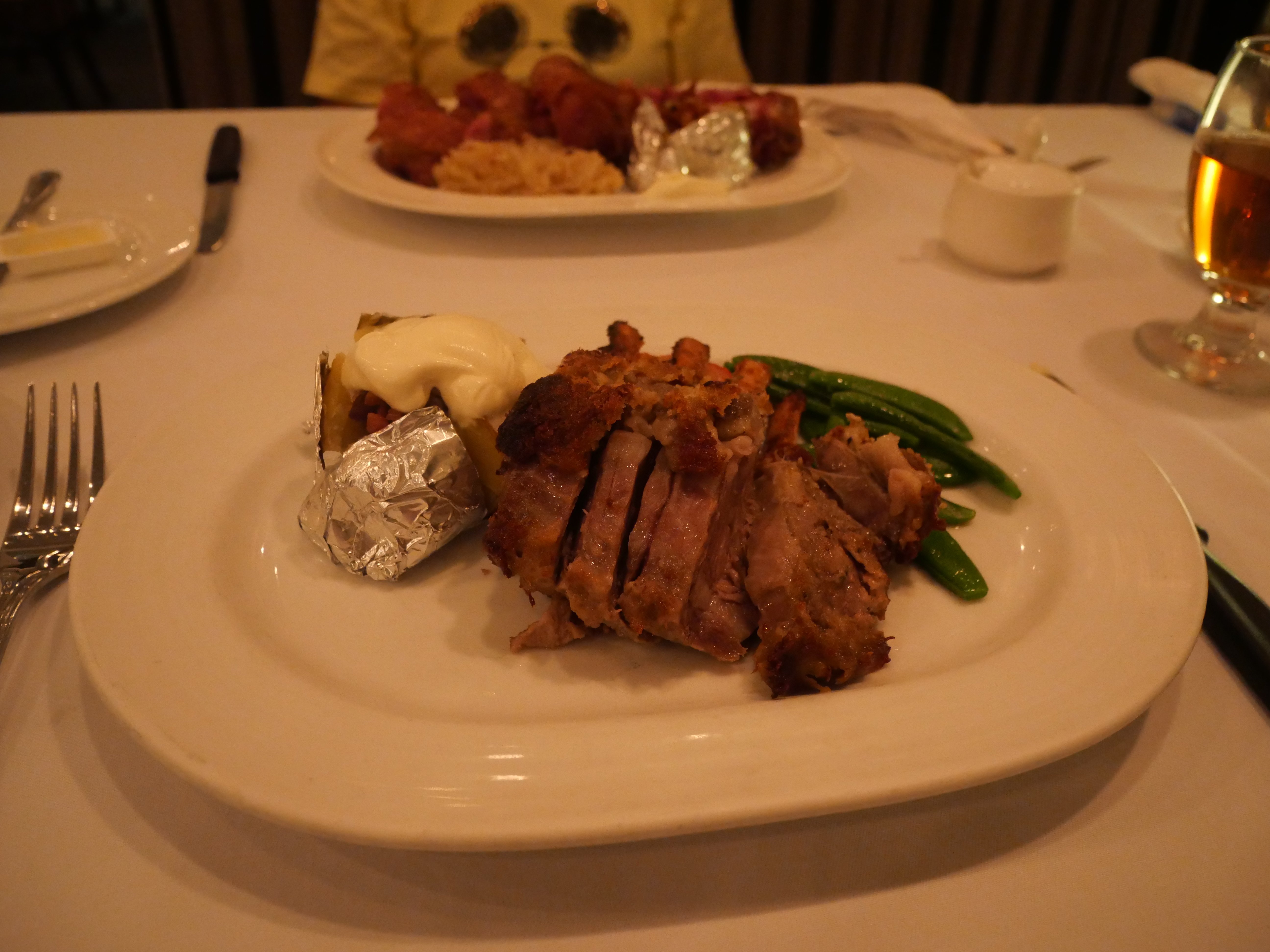
The timeline at a glance
| Time | What happens | Why it matters |
|---|---|---|
| 5.30pm | Seated, order placed | Early slot, kitchen not yet at full stretch |
| 5.45pm | Starters or bread arrive | Gives a calm start |
| 6.15pm | Mains arrive, bill requested | Removes the end-of-meal wait |
| 6.50pm | Bill settled, coats on | Buffer for anything slow |
| 7.05pm | Leave the restaurant | Ten-minute walk with margin |
| 7.15pm | At the theatre | Time for bags, toilets and finding seats |
| 7.30pm | Curtain up | You are sitting down, not running |
Adjust the times to your own show, but keep the shape: about ninety minutes at the table and a generous buffer before the curtain.
Choosing what to order before a show
Think about how you will feel sitting still for the next couple of hours. A very heavy or very rich meal can make a long first act feel longer. Dishes that are quick to cook and easy to eat suit the timeline better than anything that needs carving at the table or a long rest in the kitchen.
Drinks are worth pacing too. You can always have something in the interval, and a theatre seat is not the place to wish you had stopped at one glass.
What if things run late?
Sometimes the kitchen is slow or you arrive late. If that happens, tell your server at once what time you need to leave. Ask whether a course can be skipped or boxed, and pay as soon as the food is down. The main event is the show; the meal has done its job if you reach your seat fed and unhurried. Our checklist for planning dinner and a movie covers the same problem for cinema nights.
Frequently asked questions
How early should I book a pre-theatre table?
For a typical evening performance, aim to be seated about two hours before curtain-up. That allows a relaxed meal and a short walk with time to spare.
Is it better to eat after the show instead?
It can be, especially for early curtains. Eating afterwards removes the time pressure, but check that restaurants near the venue are still serving when the show ends.
Do restaurants mind if we leave quickly?
Restaurants near theatres are generally used to it. Telling them your deadline when you book and again when you sit down is the courteous way to handle it.
Planning your next theatre evening
Find your curtain time, book somewhere close for about two hours before it, mention the show, order quickly and ask for the bill with your mains. The meal then becomes part of the evening rather than a race. For more ideas on planning meals around special plans, see our occasions guides.