A good dinner and a movie evening depends on one decision made early: whether you eat before or after the film. Eating first suits an early screening and a relaxed restaurant close to the cinema; eating afterwards suits a late lunch, a matinée or a film you will want to talk about. Once that is settled, the rest is timing, booking and getting home. The checklist below walks through each stage so the meal never feels rushed and you are not sprinting for the opening scene.
Key takeaways
- Decide first whether dinner comes before or after the film; everything else follows.
- Book a table with a clear finishing time if you are eating first.
- Choose somewhere close to the cinema, and allow for walking time and queues.
- Check the film’s age rating and content advice if you are bringing younger viewers.
- Plan how everyone gets home before the evening starts.
Step one: decide the order
Both orders work. They just suit different evenings.
| Dinner first | Film first | |
|---|---|---|
| Best for | Early-evening screenings | Matinées or late lunches before the film |
| Advantage | You arrive fed and relaxed | You have something to talk about over dinner |
| Watch out for | Running late for the film | Kitchens closing or late meals before bed |
| Booking tip | Ask for an early table and mention the screening time | Check how late the kitchen serves |
If the film finishes late, consider how a late meal fits with the rest of your night. Our piece on late dinner and sleep summarises NHS advice on meal timing before bed.
The dinner and a movie checklist: before you book
- Check the screening time and running time. Work out when the film ends, not just when it starts. Many listings show the running time.
- Check the age rating and content advice. In the UK, the British Board of Film Classification is the independent, not-for-profit regulator that sets age ratings, and its website publishes content advice for releases. Worth a look if you are bringing children or anyone sensitive to certain themes.
- Pick a restaurant within easy walking distance of the cinema, so a slow kitchen does not cost you the opening scenes.
- Choose a kitchen that can work to a timetable. Places with set early-evening menus or quick service are easier than a long tasting menu.
- Agree on dietary needs in advance, so there is no last-minute search for an alternative.
When you book the table
- Mention the film. Saying “we have a film at eight” when you book lets the restaurant seat you at a sensible time and pace the meal.
- Book earlier than you think. Allow time to order, eat, pay and walk without hurrying.
- Ask for the bill with dessert or coffee, so you are not waiting for it at the end.
- If your plans change, tell the restaurant. Our restaurant reservation etiquette checklist covers how to update or cancel a booking properly.
On the night
- Order with the clock in mind. Two courses rather than three, or dishes that come quickly, keep things easy.
- Keep an eye on time without staring at your phone. Agree a leaving time at the start and let one person keep track.
- Collect tickets or check them on your phone before you leave the restaurant, not in the cinema queue.
- Pace the drinks. A film is long, and there may be a journey home.
When time is tight, some choices make life easier than others:
- Dishes that are cooked quickly, such as salads, pasta or grilled dishes, usually arrive sooner than slow-roasted or made-to-order specialities. If in doubt, ask which dishes are quickest.
- One shared starter rather than one each saves a round of plates.
- Skip the long dessert and have something small with coffee, or save dessert for a stop after the film.
- Avoid anything you would rather linger over. A dish worth savouring deserves an evening without a deadline; save it for a night when dinner is the main event.
Getting home safely
- Plan transport in advance. Check the last trains or buses, or arrange a lift.
- If anyone is driving, plan on them not drinking. The UK government’s drink-drive limit guidance notes that limits are lower in Scotland than in the rest of the UK, and that it is impossible to say exactly how many drinks would keep someone under the limit, because it depends on weight, age, metabolism, food and more.
- Share plans with someone if you are meeting a new date.
A cinema-and-dinner variation
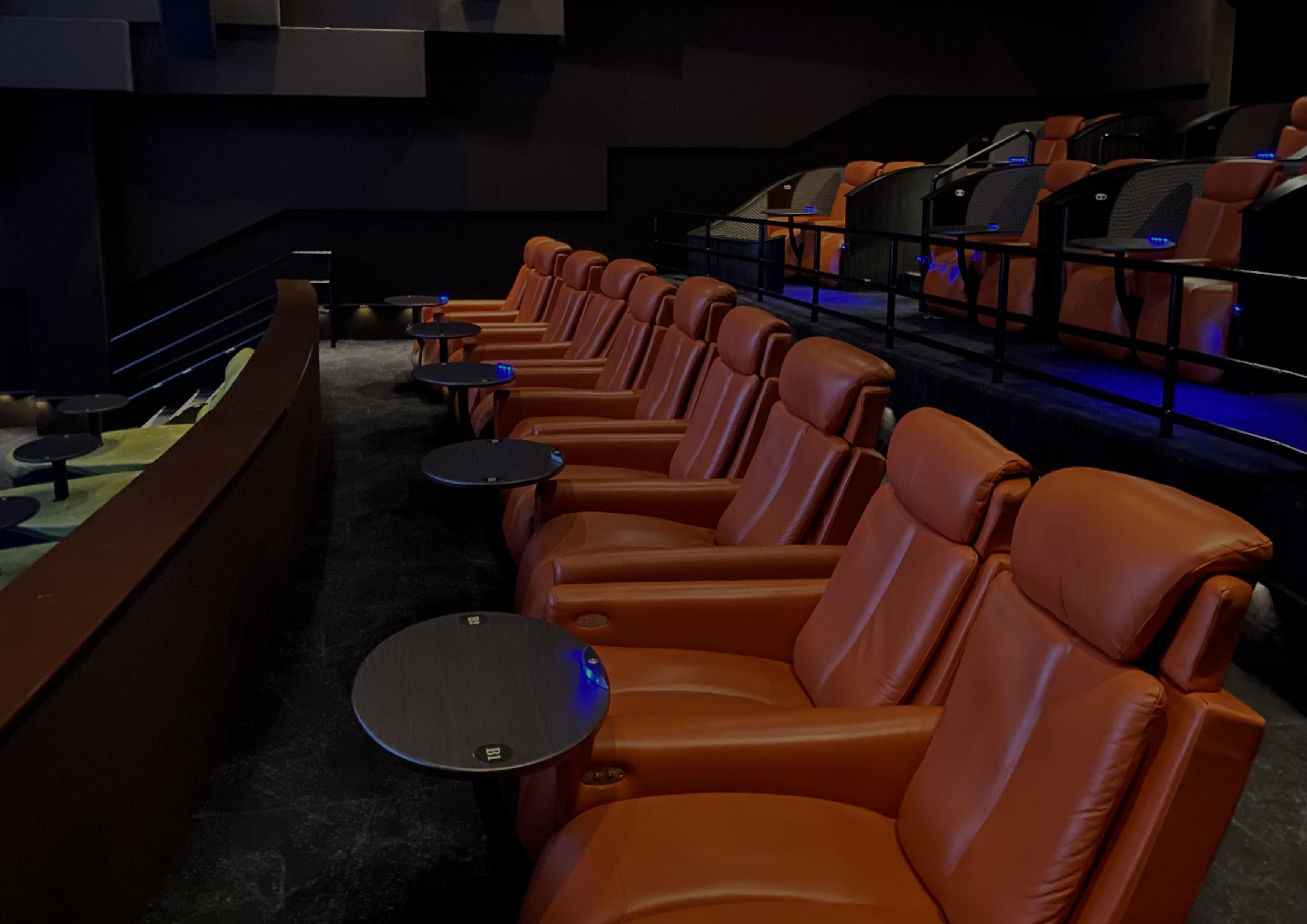
Some cinemas serve food and drink at your seat, and some resorts and leisure complexes put cinemas, restaurants and bars under one roof. These can make the logistics simpler, though the food is usually more casual. If you are planning around a larger complex, our guide to casino resort dining covers how to choose between buffets, cafés and sit-down restaurants in a big venue. More ideas are in our Leisure & Games section.
Frequently asked questions
Is it better to have dinner before or after a film?
It depends on the screening time. Before suits early-evening screenings; after suits matinées and gives you something to talk about. Late finishes can make a full dinner afterwards harder.
How much time should I allow for dinner before a film?
Enough to eat without rushing, plus the walk to the cinema. Tell the restaurant your film time when you book and ask what they suggest; they will know how long their kitchen takes.
What if dinner is running late?
Ask for the bill early, skip dessert or take it with you if that is possible, and let the restaurant know you are short of time. Staff would rather help you leave on time than see you anxious.
Plan backwards from the film
Start with the screening time, work backwards to a booking and forwards to the journey home. Tell the restaurant about your film, keep the meal simple and agree a leaving time. Do that and dinner and a movie becomes one easy evening rather than two events competing for the same hour.