The secret to ordering small plates is to order in rounds, not all at once. Start with a few dishes per round for the table, balance them across textures and ingredients, eat, then decide whether you need more. That simple habit avoids the two classic problems of shared menus: a table buried in food that goes cold, or a group still hungry after the first wave. The steps below show how to size the first order, build a balanced spread and keep the meal moving, whether you are eating tapas, meze or a modern sharing menu.
Key takeaways
- Order in rounds: a first wave, then top up once you see the portions.
- Balance the table across vegetables, protein, carbohydrate, something fresh and something rich.
- Ask staff how big the plates are and how many they suggest for your group.
- Agree on dietary needs before ordering, and keep allergen-free dishes and spoons separate.
- Small plates are meant to be shared at ease; it is fine to leave space for a second round.
Why small plates work differently
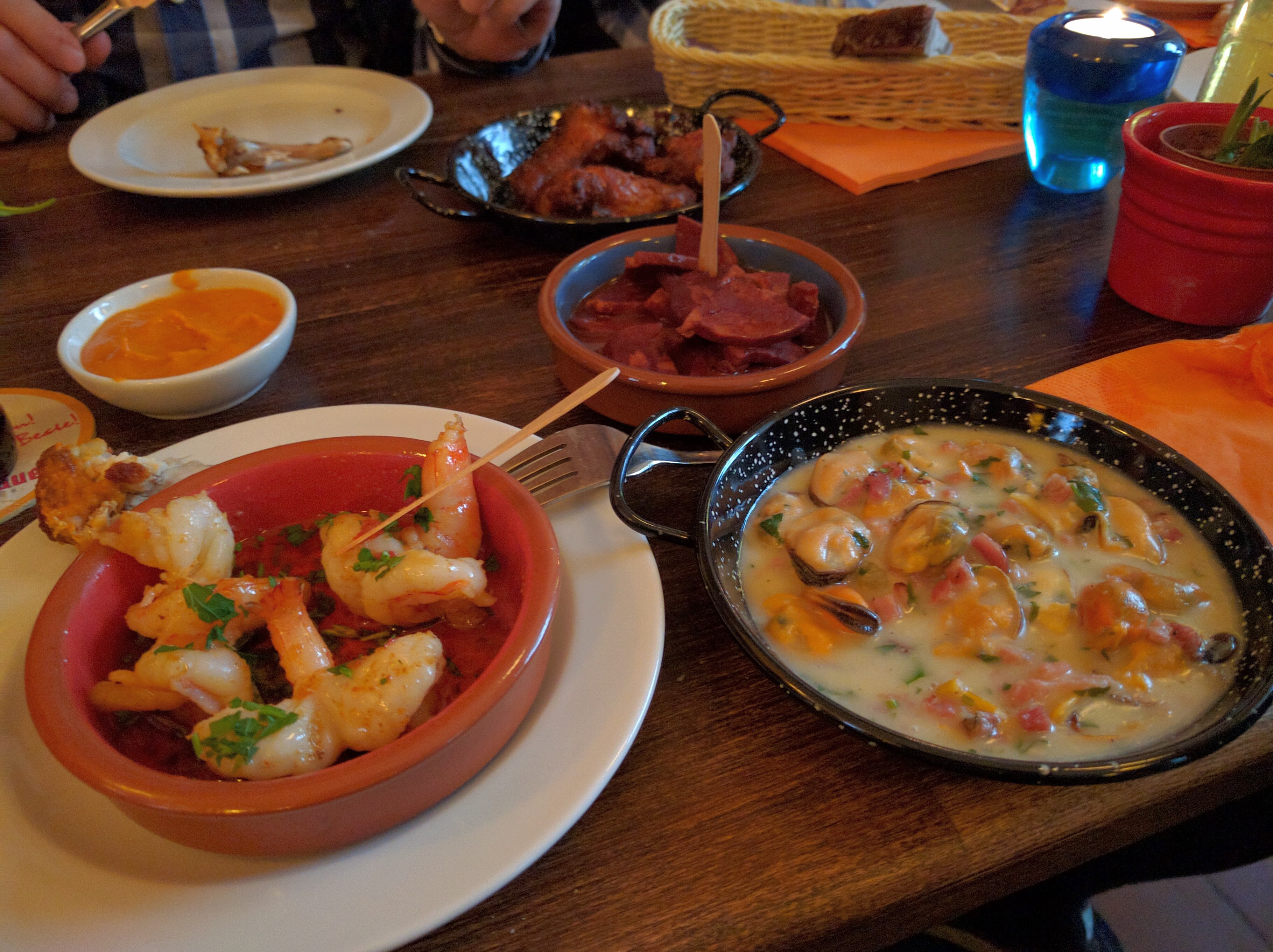
Shared small dishes have a long history. Wikipedia’s entry on tapas describes them as small Spanish dishes, hot or cold, that can be combined to make a full meal. Across the eastern Mediterranean, meze plays a similar role: a selection of small dishes that can be part of a larger meal or a meal in its own right. The same article notes that in some traditions dishes arrive in groups of four or five at a time, and that it is not expected that every dish be finished; the food is shared at will.
That is the mindset to bring to any small-plates menu. You are building a meal together, in stages, rather than each choosing a main.
Step by step: ordering small plates for a group
- Ask how the menu works. Portion sizes vary widely. A quick “how many dishes would you suggest for four of us?” saves guesswork, and staff answer it all the time.
- Agree on any no-go foods first. Allergies, vegetarians in the group and strong dislikes shape everything else, so settle them before anyone starts choosing.
- Order a first round. Pick a modest number of dishes, enough to get everyone eating. You can always add more.
- Balance the round. Use the checklist in the next section so the first wave is not all fried, all meat or all bread.
- Ask for dishes to come as they are ready, or in a set order. Some kitchens send everything as soon as it is cooked; others pace it. Say which you prefer.
- Taste, then top up. Once the first round is on the table, you will know the portion sizes and what the group likes. Order the second round accordingly, perhaps with a second helping of the favourite.
- Leave room for the end. A final round of something sweet or a cheese plate rounds off a shared meal well.

Building a balanced spread
A good spread is like a good plate, just spread across the table. Aim to cover most of these categories over the first two rounds.
| Category | Why it matters | Examples of what to look for |
|---|---|---|
| Vegetables | Freshness, colour and balance | Salads, grilled or roasted vegetables, pickles |
| Protein | Substance, so nobody leaves hungry | Fish, seafood, meat, eggs, pulses, cheese |
| Carbohydrate | Fills gaps and carries sauces | Bread, potatoes, rice, flatbreads |
| Something fresh or sharp | Cuts through richer dishes | Citrus, herbs, yoghurt, vinegar dressings |
| Something rich or crisp | The treat most people want | Fried dishes, gratins, slow-cooked meats |
If you are unsure what a dish involves, our guide on how to read a menu like a regular explains the common cooking terms and how to spot what a kitchen does best.
Sharing without stress
Small plates bring a few practical questions that a normal starter-and-main meal does not.
- Serving spoons. Ask for one per dish if they are not provided. It keeps dishes separate and makes passing easier.
- Allergies and cross-contact. Shared dishes and shared spoons can move ingredients between plates. The Food Standards Agency’s allergy advice for consumers suggests reminding staff about cross-contamination from glazes, garnishes, sauces and cooking oils, which matters even more when everyone dips into everything. Consider ordering a separate dish for anyone with an allergy.
- Uneven appetites. If one person eats much more than the others, suggest they choose an extra dish in the second round rather than rationing the first.
- The last piece. Offer it round. Nobody wants to take it, which is exactly why someone should offer.
Small plates also suit a longer, more relaxed meal. If the idea of letting a meal unfold appeals, our piece on slow dining explains why the format works so well. More ordering advice is in our ordering section.
Frequently asked questions
How many small plates should we order per person?
It depends entirely on the restaurant’s portion sizes, so ask the staff. A practical approach is to order a first round that is clearly less than you think you need, then add once you see the portions.
Should small plates arrive all at once?
Not necessarily. Some kitchens send dishes as they are ready, which keeps them hot; others pace them. Tell your server if you would like them in a particular order or spread out.
What if someone in the group is vegetarian or has an allergy?
Agree on it before ordering and make sure there are enough suitable dishes for them to eat a full meal, not just a side. For allergies, tell staff clearly and consider a separate plate to avoid cross-contact.
Order your next shared meal in rounds
Next time the menu says “for sharing”, start small, balance the first round across vegetables, protein, carbohydrate and something fresh, and ask for more once you see the portions. You will waste less, eat better and spend more of the evening talking rather than shuffling plates.