The real difference in fine dining vs casual dining is not the bill or the tablecloth. It is how much of the evening the restaurant designs for you. A casual restaurant gives you a comfortable seat, table service and a menu you can order from freely, then lets you set the pace. A fine dining restaurant plans the whole experience: the sequence of courses, the drinks matched to them, the timing between plates and often the way you are expected to dress and behave. Knowing which you want tonight makes the choice simple.
Key takeaways
- Casual dining sits between fast food and fine dining: table service, an informal room, and a menu you mix and match.
- Fine dining is built around attentive service, multiple courses and a planned pace, sometimes with a dress code.
- Fine dining usually rewards booking ahead and clearing the evening; casual dining is easier to walk into.
- Choose by occasion and appetite for a long evening, not by which feels more “special”.
Fine dining vs casual dining at a glance
Encyclopaedia definitions are a useful starting point. Wikipedia’s entry on casual dining describes a market segment between fast food and fine dining that serves food in a relaxed atmosphere, typically with table service and often a full bar. Its entry on fine dining describes a high-end experience that extends to the attentiveness of the service, with multiple courses, higher-quality tableware and sometimes a dress code.
In practice the differences show up across the whole meal:
| Feature | Casual dining | Fine dining |
|---|---|---|
| Service | Table service from a server who covers several tables | Attentive, choreographed service, often by a team per table |
| Menu | Starters, mains and sides you choose freely | Multiple set courses or a structured à la carte, sometimes a tasting menu |
| Pace | You decide; a meal can be quick | The kitchen sets the rhythm between courses |
| Drinks | Often a full bar, beer list and a short wine list | A longer wine list, frequently a sommelier and suggested pairings |
| Tableware | Practical plates and cutlery | Higher-quality dishware, glassware and linen |
| Dress | Whatever you would wear out for the evening | Smarter; some places publish a dress code |
| Booking | Walk-ins usually welcome | Booking ahead is the norm |
| Time to allow | As short or long as you like | A long evening, set by the kitchen |
How the service differs
At a casual restaurant your server is there to take the order, bring the food and check that everything is fine. You flag them down when you need something. That is not a lesser kind of service, just a lighter one, and it suits a quick weeknight meal or a table of friends who want to talk.
Fine dining service aims to anticipate. Glasses are refilled, cutlery is reset between courses and plates tend to be cleared together. Wikipedia notes that a sommelier often recommends wine pairings course by course. You can still ask for whatever you like; the difference is that you rarely need to.

Menus, courses and pacing
A casual menu is built for choice. You can share a starter, skip dessert, order two sides instead of a main and leave whenever you are ready.
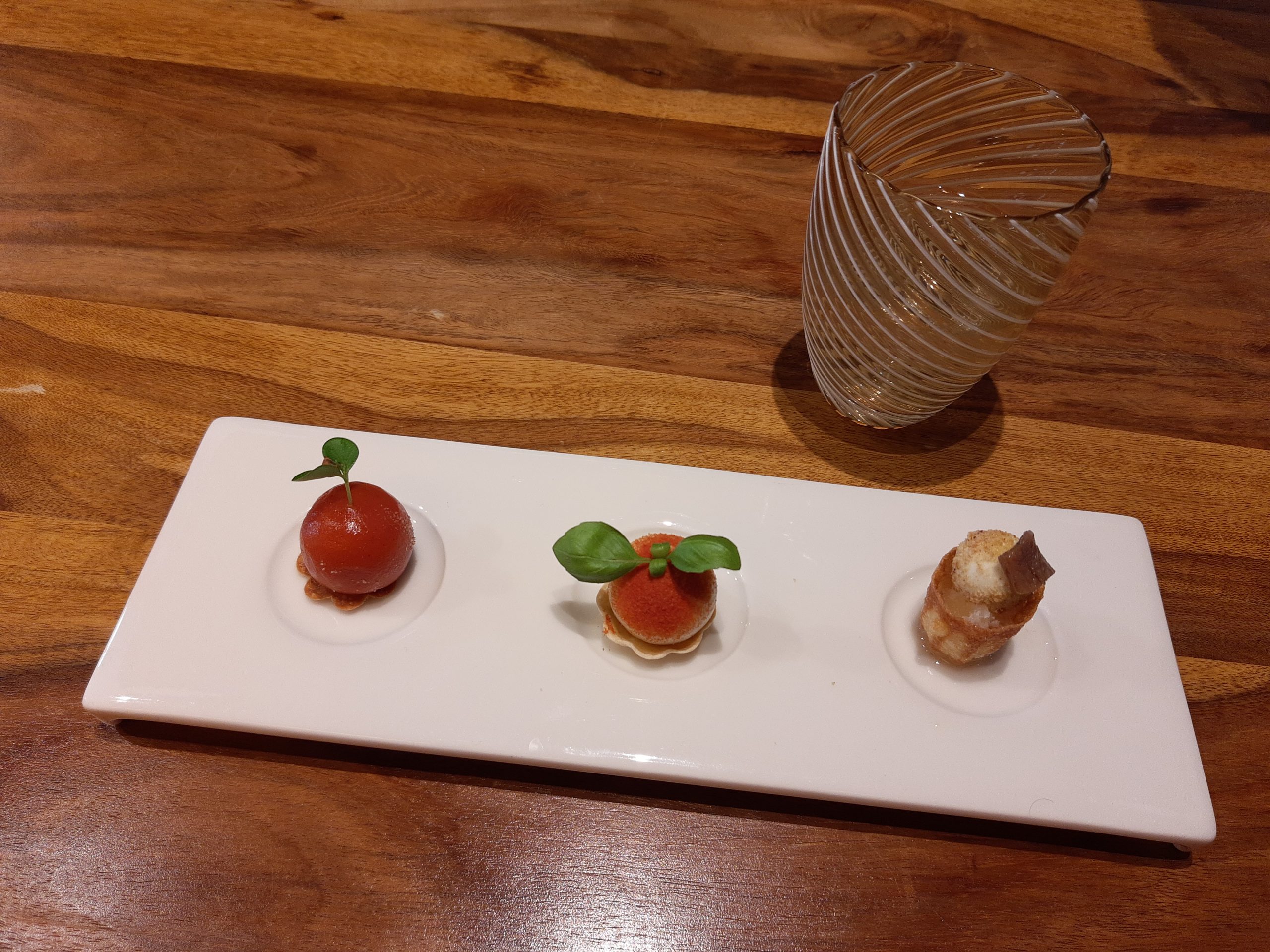
Fine dining menus are built for sequence. A typical meal might include an amuse-bouche, a starter, a main and dessert, with small extras in between. Many restaurants at this level also offer a tasting menu, where the kitchen chooses every course. That structure is the point, but it also means less flexibility: fewer substitutions, and a fixed length of evening.
If you are not sure how to read either kind of menu, decide first how long you want to stay. A table booked for a long, multi-course dinner is a different commitment from a quick plate of pasta, and our checklist for restaurant reservation etiquette covers how to book and confirm either kind properly.
Atmosphere and dress
Casual restaurants are designed to be relaxed: brighter lighting, noisier rooms, mixed seating. Fine dining rooms typically use softer lighting, more space between tables and more formal furnishings. White tablecloths, once the standard signal of a formal restaurant, are less common than they were, so judge by the service and menu rather than the linen.
Dress expectations follow the room. Most casual places have no dress code. Some fine dining restaurants publish one, and it is worth checking on their website before you go rather than guessing.
Which one suits your occasion
Use these quick rules of thumb:
- Choose casual for weeknights, children, large mixed groups, or when conversation matters more than the food.
- Choose fine dining for an occasion where the meal itself is the event: an anniversary, a celebration or a chance to try a kitchen you have heard about.
- Consider the middle ground. Many restaurants blend the two, with a relaxed room and a carefully cooked menu. Reading the menu and the booking page usually tells you which way a place leans.
For more on the different kinds of places you might choose between, see our guides to restaurant types.
Frequently asked questions
Is fine dining always more formal than casual dining?
Usually, but not always. Some kitchens cook at a very high level in relaxed rooms with no dress code. Look at the service style, the menu structure and the booking terms rather than assuming from the label.
Can I order just one course at a fine dining restaurant?
It depends on the restaurant. Where there is an à la carte menu you can often order as little or as much as you want, but if only a tasting menu is offered, the whole sequence is the meal. Check the menu before you book.
How long should I allow for each?
A casual meal can be as quick as you like. For fine dining, allow a long evening, especially with several courses and drinks pairings, and ask when you book if you have a fixed finishing time.
Choosing tonight’s table
Start with the evening you want rather than the restaurant category. If you want flexibility, conversation and an easy exit, book or walk into a casual place. If you want the meal to be the centre of the night, choose fine dining, book ahead, check any dress code and clear your diary for the evening. Both are good choices when they match the occasion.