The best food hall tips come down to three habits: walk the whole hall before you buy anything, order small amounts in rounds rather than one big meal from a single counter, and sort out seating before the food arrives. Do those three things and a crowded hall full of choice becomes the easiest place in town to feed a mixed group, because everyone can eat what they want and still sit together.
What follows is a step-by-step routine for a single visit, from timing your arrival to clearing the table.
Key takeaways
- Do a full lap of every counter before you join a queue.
- Order one or two small dishes at a time and go back for more.
- Claim a table first when the hall is busy, then send people out to order.
- Ask each counter about allergens separately; they rarely share a kitchen.
- Weekday afternoons are usually calmer than lunch and evening peaks.
What makes a food hall different
A food hall gathers many independent food counters under one roof around shared seating. The encyclopaedia entry on food halls draws the line clearly: a food court is usually made up of fast-food chains, while a food hall tends to mix local, artisan-style kitchens with butchers and other food shops, often in a repurposed building such as an old market or warehouse.
That difference matters when you plan your visit. In a food court you know roughly what each counter sells. In a food hall the menus change, portions vary widely, and the best dish may come from a counter with a short, handwritten list. You get more from the place by treating it like a small market rather than a single restaurant. If you already like the order-at-the-counter model, the routine below will feel familiar; it builds on how counter-service restaurants work, only with a dozen counters instead of one.
Food hall tips, step by step
- Pick your time. Lunch and early evening are the obvious crush points. A late lunch or an early weekday dinner usually means shorter queues and more free tables. If you can only go at peak time, accept that you will queue and plan around it.
- Walk a full lap first. Before you spend anything, walk past every counter. Look at what other people are carrying back to their tables, not just at the menu boards; it is the quickest guide to portion size.
- Shortlist, then split up. Agree on two or three counters each person wants to try. In a group, divide the ordering so that several people queue at once rather than everyone standing in one line.
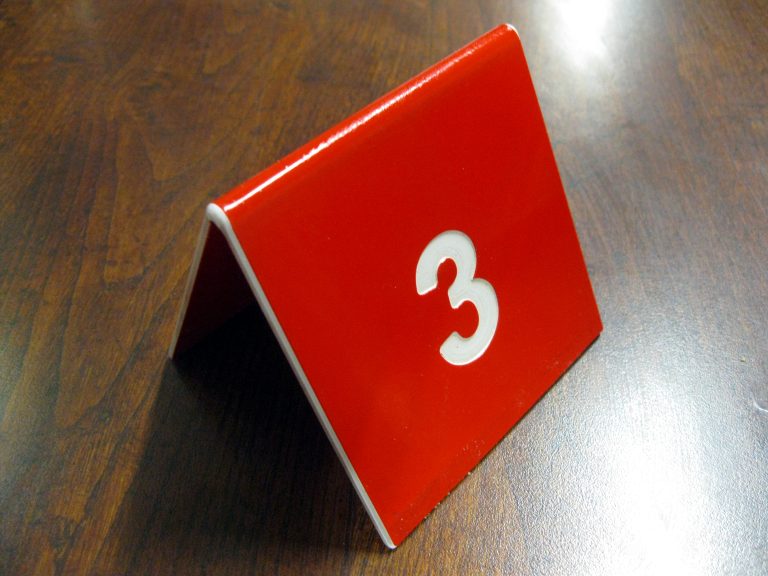
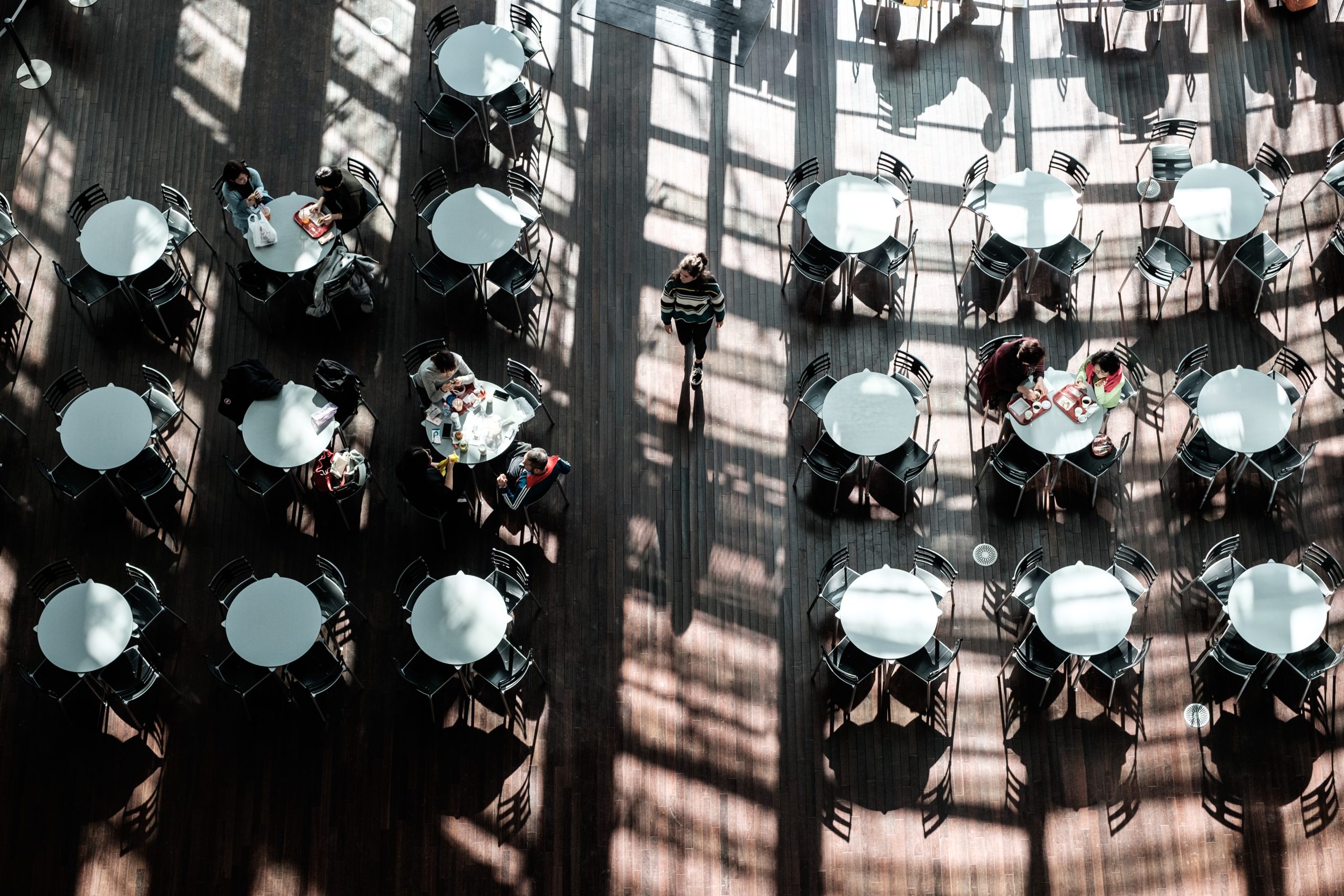
- Secure seating early. On a busy day, put one person on a table before anyone orders. Carrying hot food round a packed hall while looking for a seat is how dishes go cold and drinks get spilled.
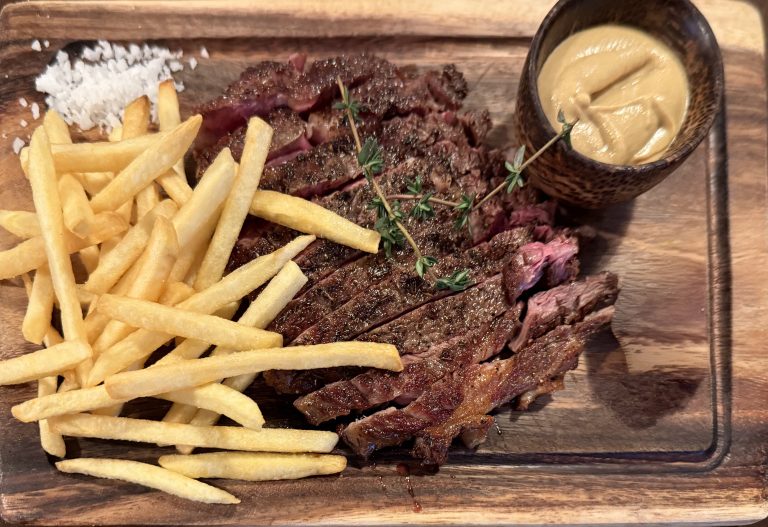
- Order small, then go back. Start with one or two plates per person. Many counters sell dishes sized for sharing or snacking, so a second round is often better than an oversized first one. The same thinking applies to ordering small plates for the table: build the meal gradually.
- Collect, check and share. When your order comes up, check it at the counter, pick up cutlery and napkins there, and bring everything to the middle of the table so the group can taste across counters.
- Clear up. Many halls ask you to return trays and crockery or sort your rubbish. Follow the signs; it keeps tables turning for the next group.
Reading menus across a dozen counters
Food hall menus are often short and written for regulars. Look for three things: what the counter is known for (usually the first item or the one with its own heading), the portion description, and anything marked as a special. If a board is hard to read, ask what most people order. The skills you use for reading a restaurant menu carry over, but you will be doing it quickly and several times over.
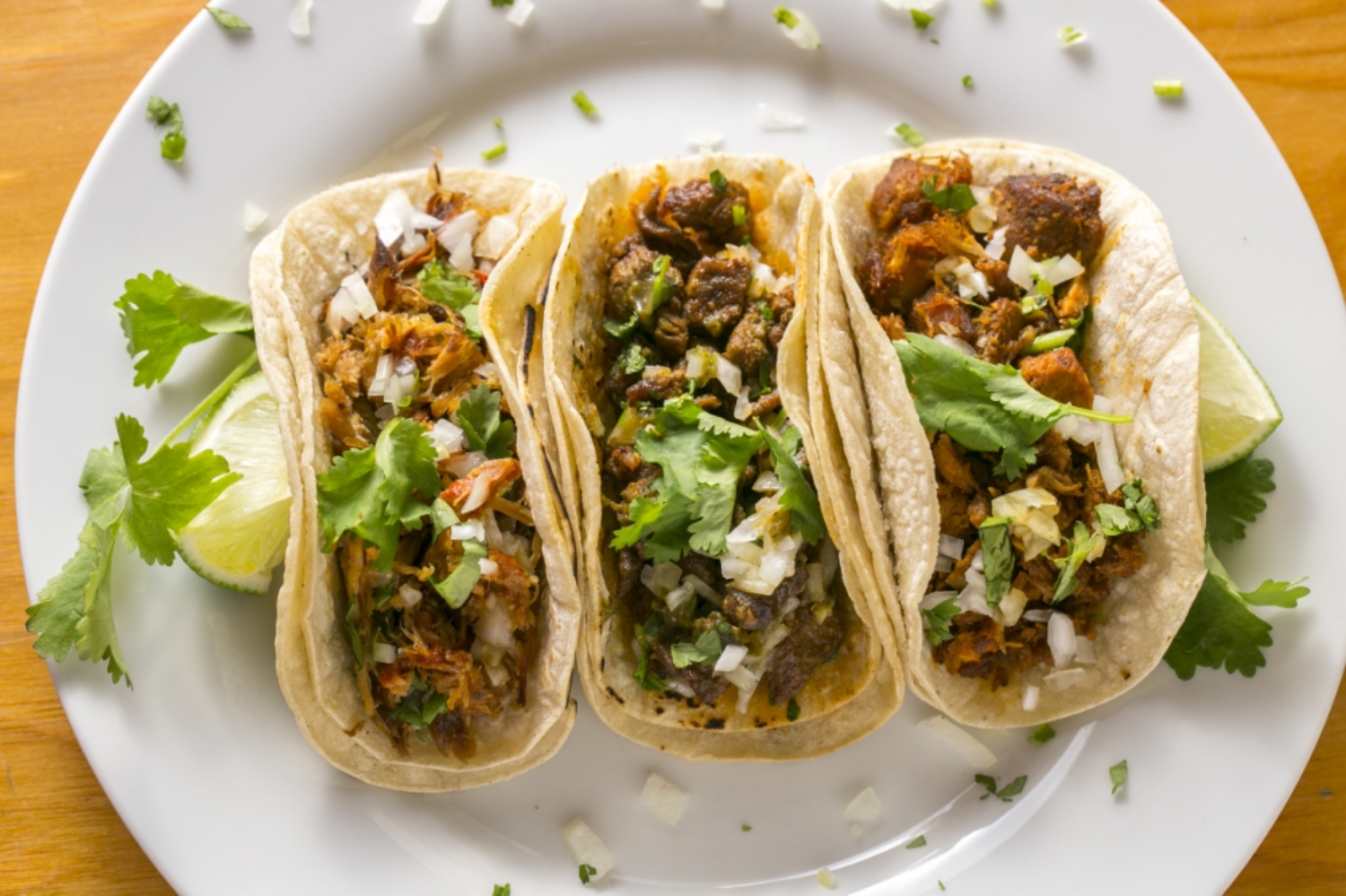
A simple way to compare counters is to note what each one does well before you commit.
| What to check | Why it matters | Quick tip |
|---|---|---|
| Queue length | Long queues can mean popularity or slow service | Watch how fast the line moves for a minute |
| Portion size | Halls mix snack-sized and full-meal plates | Look at what people carry away |
| Hot or cold | Hot food suffers if you queue elsewhere afterwards | Collect hot dishes last |
| Allergen information | Each counter handles its own ingredients | Ask at every counter you order from |
| Hygiene rating | Each business is inspected on its own record | Look for the sticker on the counter or check online |
Allergies and food safety at shared tables
Treat each counter as a separate kitchen, because it usually is. In England, Wales and Northern Ireland, the Food Standards Agency’s advice for consumers says restaurants and cafés must give you information on 14 regulated allergens, including milk, eggs, peanuts, tree nuts, sesame and gluten-containing cereals. They do not have to make you an alternative dish, so ask before you queue rather than at the till.
The same guidance suggests being clear about what you react to, asking how food is handled in the kitchen, and not eating somewhere if you doubt the staff understand your needs. In a food hall, that check has to happen at each counter. Shared tables add one more step: keep the allergy-safe dish on its own plate and serve it first, before other dishes are passed around.
Hygiene is also counter by counter. Under the Food Hygiene Rating Scheme, businesses are rated from 5 (very good) down to 0 (urgent improvement necessary). Display is a legal requirement in Wales and Northern Ireland but only encouraged in England, so if you do not see a sticker you can look the business up online.
Food hall tips for groups and families
Groups are where food halls shine. Everyone gets a choice, nobody has to agree on one cuisine, and the bill is naturally split because each person pays at their own counter. A few habits keep it smooth:
- Agree a meeting time at the table so nobody eats alone while others queue.
- Give younger children a simple option first, then let them try from the shared plates.
- Keep bags and coats on the seats you are holding, not on spare chairs others could use.
- If one person is paying for everyone, decide that before you split up to order.
Frequently asked questions
Is it rude to save seats in a food hall?
Holding seats for your own group while they order is normal. Holding a large table for people who have not arrived yet, while others wait with full trays, is not. Hold only what you need.
Can I bring food from one counter to another counter’s seating?
In most halls the seating is shared across all counters. Where a counter has its own marked seating, use it only for food bought there.
How do I avoid cold food when everyone orders from different places?
Order cold dishes and drinks first, and send people for hot food last. Some counters give out buzzers or call numbers, so you can wait at the table rather than in front of the pass.
Plan your next visit
Before you go, check the hall’s opening hours and pick a quieter time if you can. Once there, lap the hall, claim a table, order small and go back for seconds. For more on how different kinds of places work, browse our guides to restaurant types.