A chef’s table is a table set in or right beside a restaurant’s kitchen, where a small group eats a meal, usually a set or tasting menu, while watching the cooks work and often talking with them. An open kitchen is the broader version: a kitchen visible from the dining room, sometimes with counter seats facing the pass. Both trade some privacy and quiet for a close view of how your food is made. Expect a fixed menu, a longer evening, a set party size and a booking made well ahead.
Here is how a typical chef’s table evening unfolds, from booking to the final course.
Key takeaways
- A chef’s table sits in or beside the kitchen and usually serves a set menu.
- Bookings often have a minimum party size and are made well ahead.
- Give allergies and dietary needs when you book, not on the night.
- Expect noise, heat and activity; that is the point.
- Ask questions between courses, not while the kitchen is mid-service.
What a chef’s table actually is
The encyclopaedia entry on restaurants describes a chef’s table as a table located in the kitchen of a restaurant, reserved for special guests, where diners may be served a themed tasting menu prepared and served by the head chef. It also notes that some restaurants set a minimum party size for it.
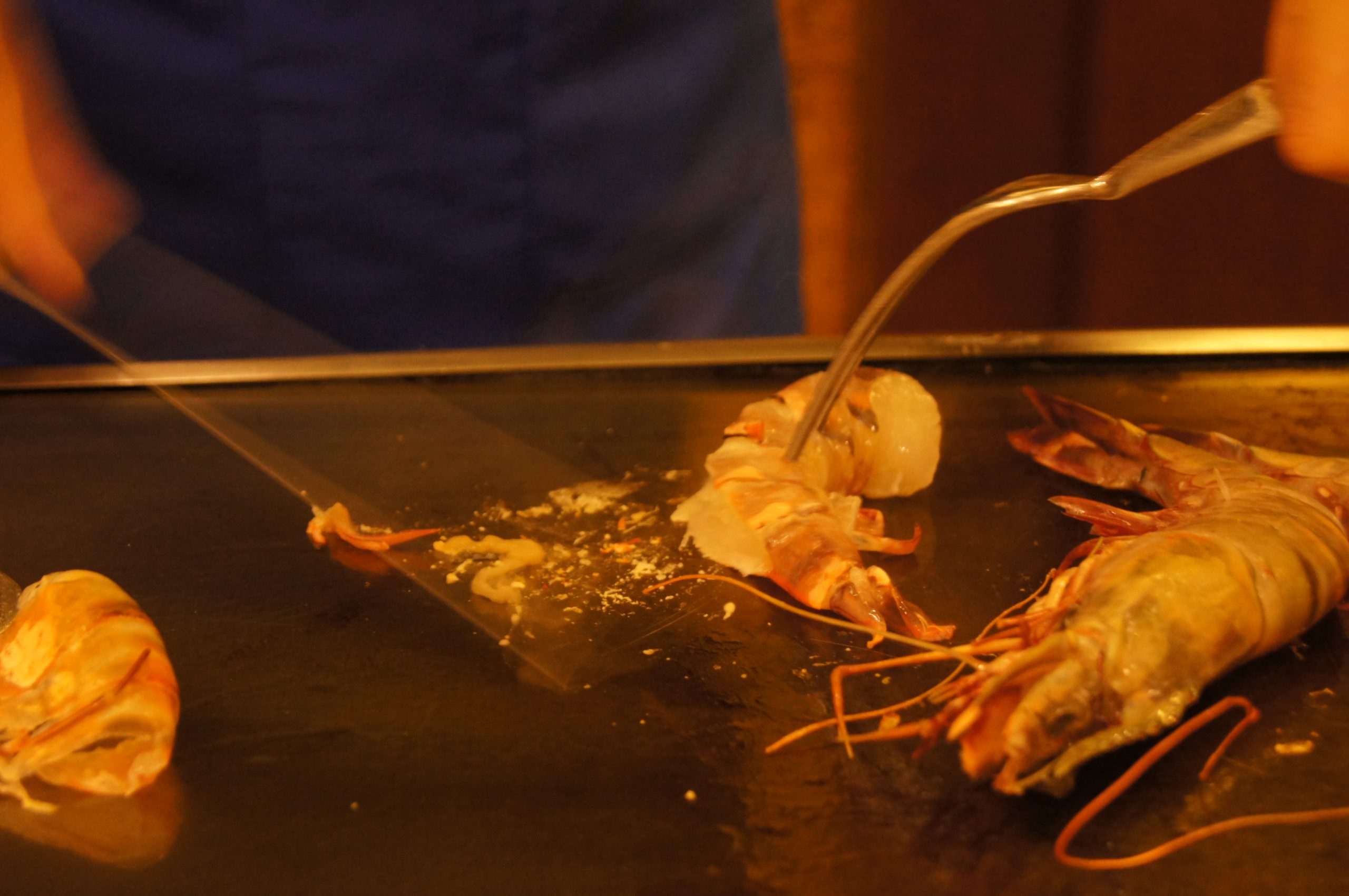
In practice, the label covers a range of set-ups. Some are a single private table inside the kitchen. Some are a row of stools along a counter facing the cooks, a format common in sushi bars and grill restaurants where food is cooked in front of you. Others are a table in the dining room with a clear view through a window or across an open kitchen. When you book, ask which you are getting.
If you have not eaten a multi-course set menu before, our explainer on what a tasting menu is and who it suits is a useful primer, because most chef’s table evenings are built around one.
A chef’s table evening, step by step
Say you want to mark a birthday for four people with a chef’s table dinner. Here is how it might go.
- Booking. You contact the restaurant several weeks ahead. You ask how many seats the table has, whether there is a minimum party size, what the menu involves, how long the meal usually lasts and what the cancellation terms are. Some chef’s tables take only one booking a night, so dates can go quickly.
- Dietary information. You list every allergy, intolerance and strong dislike in your group at the time of booking. In England, Wales and Northern Ireland, the Food Standards Agency’s advice for consumers says restaurants must give you information about 14 regulated allergens but are not required to make you an alternative meal. With a fixed menu, early notice gives the kitchen time to plan substitutions.
- Arrival. You arrive on time; the kitchen’s timing is set around the table. Staff may walk you through the kitchen to your seats and point out where to stand clear of the stoves and the pass.
- The first courses. Dishes arrive in sequence. Often a chef presents each one, explains its ingredients and moves on. The pace is set by the kitchen, so there is little choosing to do.
- Talking to the cooks. Between courses, when the kitchen is calmer, you ask about techniques or ingredients. During a rush, you watch. Reading the room matters more here than in a dining room.
- Drinks. If a drinks pairing is offered, you decide early, because it is timed with the food. Otherwise you order by the glass as courses arrive.
- Finishing. The final courses come out, perhaps with a short conversation with the head chef. You settle the bill and thank the team on your way out.
Chef’s table, open kitchen or counter: how they compare
| Feature | Chef’s table | Open kitchen view | Kitchen counter seats |
|---|---|---|---|
| Where you sit | In or beside the kitchen | Dining room, kitchen visible | Stools facing the cooks |
| Menu | Usually set or tasting | Full menu | Often set, sometimes à la carte |
| Group size | Small group, often a minimum | Any | Best for one to four |
| Interaction with chefs | High | Low | Medium to high |
| Noise and heat | High | Moderate | Moderate to high |
| Booking | Well ahead, limited dates | Normal | Varies; some walk-in |
Counter seats are also one of the easiest ways to eat out on your own; our guide to dining alone explains why they suit a single diner so well.
Things worth knowing before you go
- It is a working kitchen. Expect clatter, shouted orders and heat. If anyone in your group finds that stressful, a view of an open kitchen from the dining room may suit better.
- Dress for warmth. Kitchens are hot. Layers you can remove are sensible.
- Photos. Ask before photographing the team; some kitchens are relaxed about it, others are not.
- Children. Some chef’s tables have age limits for safety reasons. Ask when booking.
- Formality. A chef’s table is often more relaxed than the dining room, despite the special-occasion feel. Our comparison of fine dining and casual dining explains the wider differences in style.
Frequently asked questions
Can I order from the main menu at a chef’s table?
Usually not. Most chef’s tables serve a set or tasting menu designed for the table, though the kitchen can often adjust dishes for dietary needs if told in advance.
Is a chef’s table suitable for a business dinner?
It can be, if the group wants a shared experience. It is less suited to private conversation, because staff are close by and the kitchen is noisy.
How long does a chef’s table meal take?
It depends on the number of courses. Ask when you book, and assume it will be longer than an ordinary dinner.
Booking with confidence
Ask what kind of chef’s table you are booking, give every dietary need upfront, arrive on time and let the kitchen set the pace. Ask questions in the quieter moments and enjoy the view. For more on how different kinds of restaurants work, browse our guides to restaurant types.