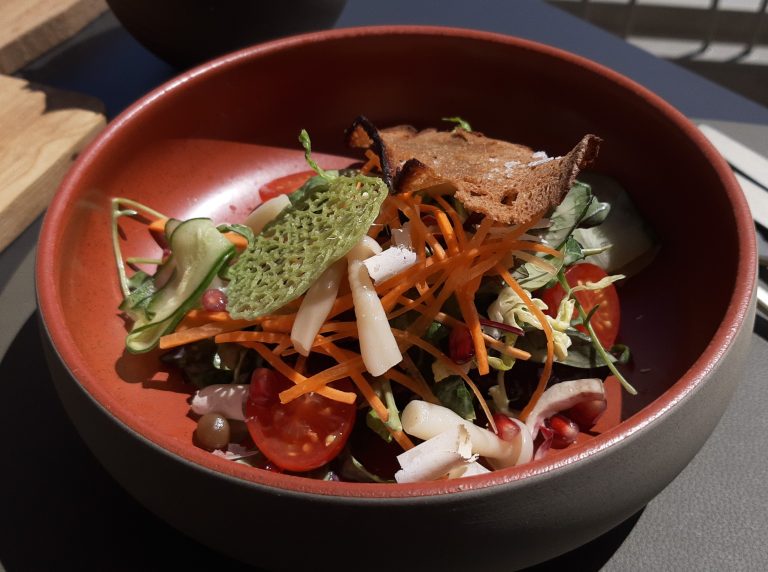
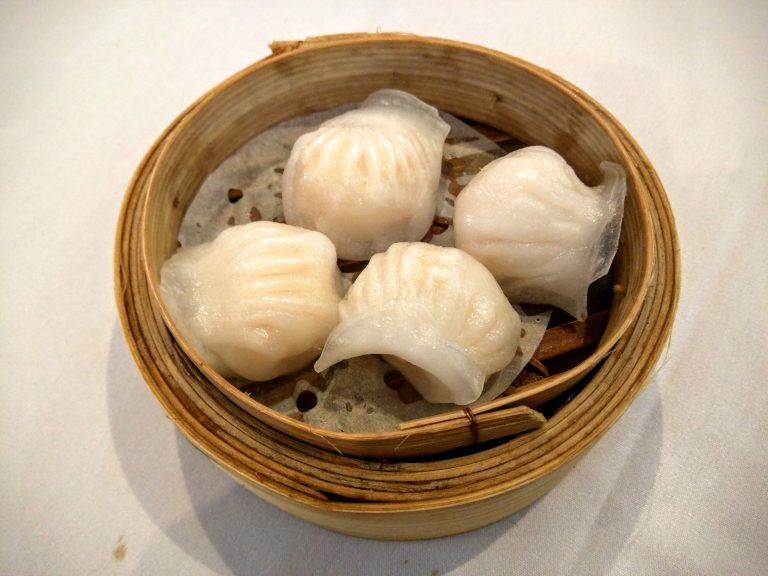
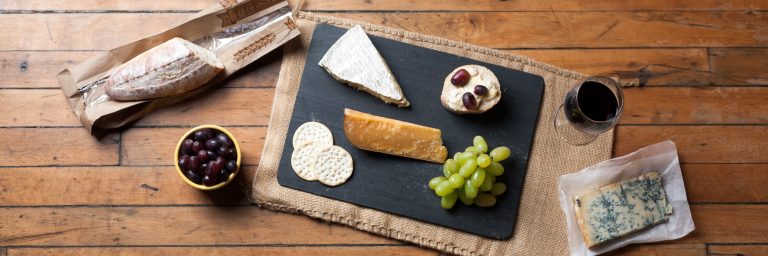
A walking food tour is a guided route through one neighbourhood where you stop at several places to taste something small at each, while a guide explains what you are eating and why it belongs to that area. You walk between stops, eat in small portions, and finish with a sense of how a district eats rather than a single big meal. Most of the work is in choosing a route that suits you, telling the organiser about dietary needs early, and pacing your appetite.
Here is how to do each part well, whether you are travelling or exploring your own city.
Key takeaways
- Pick a tour by neighbourhood and theme, not by the number of stops.
- Give dietary needs and allergies when you book, not on the day.
- Eat a light meal beforehand and skip a big dinner afterwards.
- Wear comfortable shoes and dress for the weather; tours run outdoors.
- Taste everything small, and save room for the later stops.
What happens on a walking food tour
The format is simple. A small group meets at a fixed point, walks a set route and pauses at a series of food stops: bakeries, market stalls, delis, cafés, small restaurants or snack counters. At each one you get a tasting portion. Between stops, the guide fills in the background: how a dish developed, why a market sits where it does, what locals eat at which time of day.
The result is closer to a guided walk with snacks than a restaurant meal. Courses do not arrive in the usual order; you might eat something savoury, then a pastry, then something savoury again. That loose rhythm is part of the appeal, and it rewards the same unhurried attitude we described in our piece on why a longer, slower meal can be better.
How to choose and book a walking food tour
- Start with the neighbourhood. A tour is only as interesting as the streets it covers. Look for one focused on a single district, market or food tradition rather than one that tries to cover a whole city.
- Check the theme. Some tours centre on markets, some on street food, some on sweets or regional specialities. Pick the one that matches what you would want to eat anyway.
- Read what is included. Find out how many tastings there are, whether drinks are part of it, and how long the walk lasts. Ask whether the stops are seated or standing.
- Ask about the pace and distance. If anyone in your group has limited mobility, ask how far you will walk, whether there are steps or hills, and how often you can sit down.
- Book with your dietary details. Organisers need time to arrange alternatives with each stop. Telling them on the morning of the tour is often too late.
- Confirm the meeting point and time. Tours usually leave on time, and finding a group once it has moved on can be hard.
Telling the organiser about allergies and diets
Food tours depend on several separate businesses, which makes dietary planning more important than in a single restaurant. In England, Wales and Northern Ireland, the Food Standards Agency’s advice for consumers says food businesses must be able to tell you if a product contains any of 14 regulated allergens, but are not required to make you an alternative meal. On a tour, that means each stop can tell you what is in a tasting, yet a suitable swap is only likely if it was arranged in advance.
When you book, give specifics: which foods you react to, how severe the reaction is, and whether traces matter. On the day, confirm with the guide at the start, and check again at each stop before you eat. The habit of asking clear, direct questions, set out in our checklist of questions to ask your server before you order, works just as well with a guide.
Pacing your appetite on a walking food tour
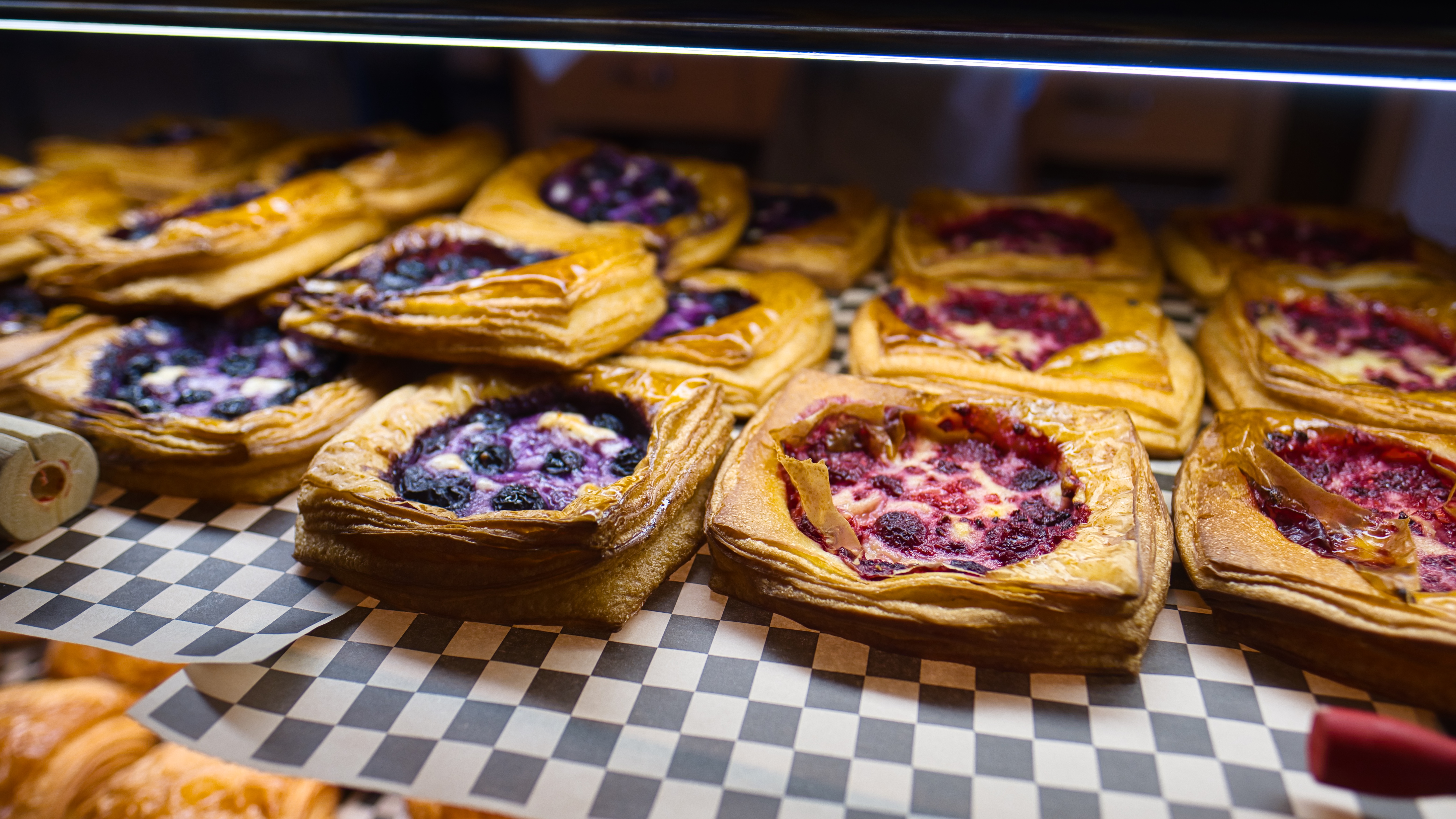
Portions are small, but they add up across a route. Plan around it.
| Stage | What to do | Why |
|---|---|---|
| Before the tour | Eat a light breakfast or lunch | Arriving starving makes you overeat at the first stop |
| First stops | Taste, do not finish everything | Early dishes are often the most filling |
| Middle of the route | Drink water between stops | Salty and rich tastings can leave you thirsty |
| Final stops | Save room for sweets | Many routes end with a dessert or coffee |
| After the tour | Skip a big dinner booking | You will likely have eaten a full meal in total |
Staying safe and comfortable on the walk
Wear shoes you can walk in for a few hours and dress for the weather, since much of the time is outdoors. Carry water and a small bag for leftovers or napkins.
The walking itself is a bonus. The NHS guidance on walking for health notes that brisk walking helps build stamina and makes your heart healthier, and that even a brisk 10-minute daily walk counts towards the 150 minutes of weekly exercise recommended for adults. A tour will rarely be brisk, but the stretches between stops are a pleasant counterweight to all the tasting.
If you are travelling somewhere food hygiene is a concern, the CDC’s food and water safety advice for travellers recommends food that is served steaming hot, avoiding raw or undercooked meat and seafood, and choosing fruit you peel yourself. Ask your organiser how stops are chosen; it is a fair question.
Frequently asked questions
Are walking food tours suitable for children?
Many are, but check the length and the menu first. A long route of unfamiliar tastings can be hard going for young children, so shorter, market-based or sweet-themed tours tend to suit families better.
Should I tip the guide?
Customs differ by country. Check what is expected locally before you go; our wider guides on tipping abroad cover how practices vary.
Can I do a food tour on my own?
Yes. Tours are a comfortable way to eat out solo, because the group and the guide give the meal a natural structure and conversation.
Planning your first tour
Pick one neighbourhood you are curious about, choose a tour with a clear theme, and book early with any dietary details. On the day, eat lightly beforehand, wear proper shoes and pace yourself. For more ideas on enjoying food beyond the restaurant table, explore our lifestyle articles. If you prefer to explore under one roof, our food hall tips cover the indoor version.