The best questions to ask your server are the ones the menu cannot answer: what is in a dish that might affect you, how big it is, how it is cooked, what the kitchen is proud of today and how long things will take. Servers taste the food, hear what other diners say and know which dishes are running out. Two or three well-chosen questions, asked before you order, will usually get you a better meal than any amount of guesswork. Use the checklist below and pick the questions that matter for your table.
Key takeaways
- Always ask about allergens if anyone at the table has an allergy; menus rarely list everything.
- Ask about portion size and what comes with a dish before you order sides.
- “What is the kitchen best at?” is more useful than “What is good?”
- Mention any time limit before you order, not after.
- Short, specific questions get the most useful answers.
Questions to ask your server about allergies and diets
If anyone at your table has an allergy or intolerance, these come first, every time.
- “Does this dish contain [allergen]?” Be specific and name the food. The Food Standards Agency’s advice for consumers suggests giving examples of the foods that cause a reaction, and asking for a manager if you are unsure the staff have understood.
- “Is it cooked or prepared alongside [allergen]?” Shared fryers, oils, sauces and garnishes are where hidden ingredients often come from.
- “Can the kitchen make it without [ingredient]?” Sometimes yes, sometimes no. In the UK, restaurants must provide allergen information but are not required to make an alternative.
- “Is this suitable for vegetarians or vegans?” Stocks, sauces and dressings can contain animal products that the menu does not mention.
Allergen rules differ between countries. In the UK there are 14 major allergens that food businesses must tell you about. In the US, the Food and Drug Administration lists nine major food allergens, including sesame since 2023, and notes that its labelling rules generally do not cover restaurant food that is not pre-packaged, so asking staff directly matters.
Questions about portions and what comes with a dish
- “How big is this?” Especially useful for sharing menus and starters that may be as large as a main.
- “Does it come with anything?” Saves you ordering extra sides you do not need.
- “How many dishes would you suggest for the table?” The right question for small plates; our method for ordering small plates builds on it.
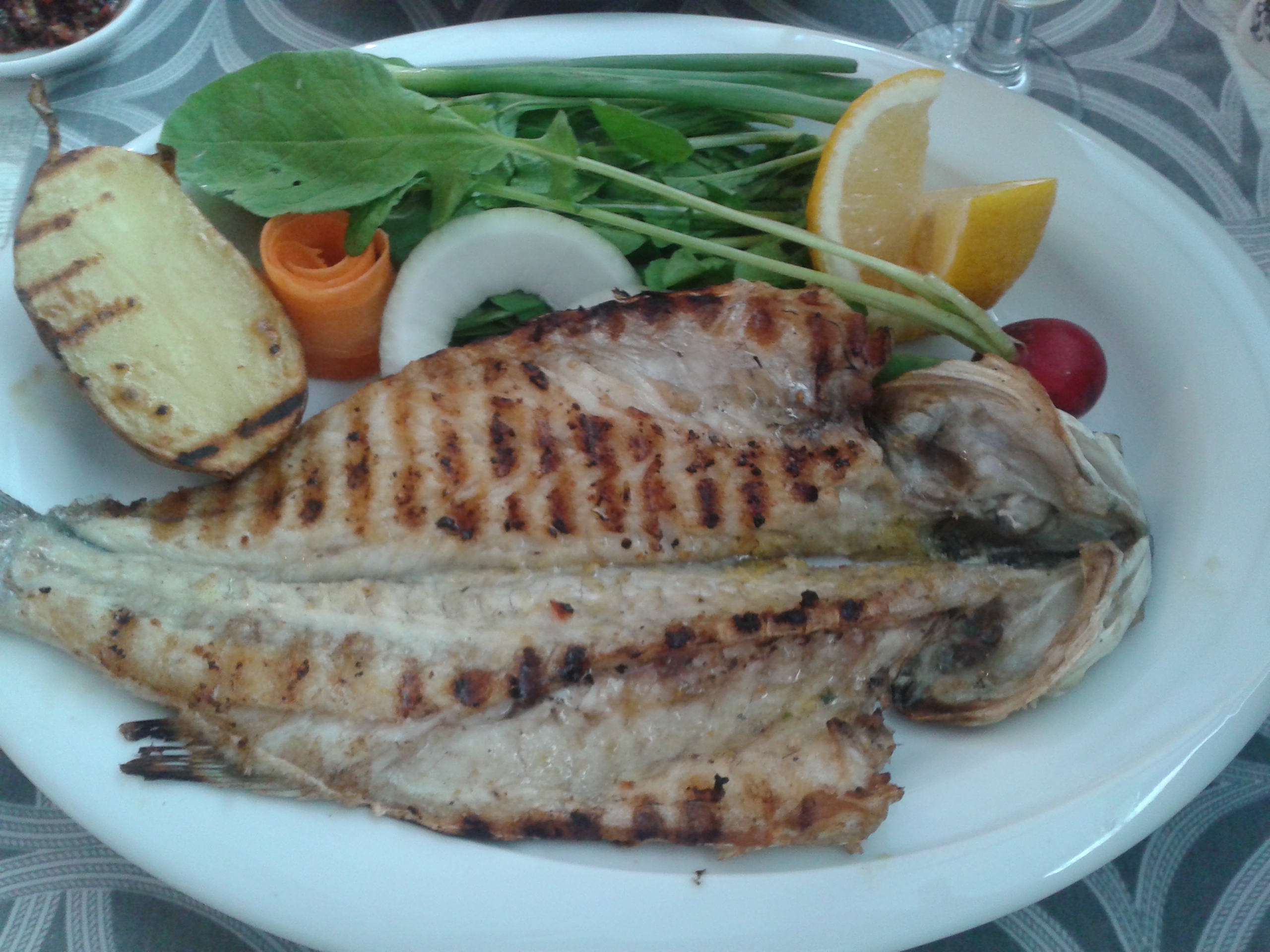
- “Is the fish served whole or filleted?” Worth knowing if you would rather not deal with bones.
Questions about how dishes are cooked
- “How is this prepared?” If a menu term is unfamiliar, ask. Our guide on how to read a menu like a regular decodes common ones, but your server knows exactly how this kitchen does it.
- “How spicy is it?” Heat levels vary widely between kitchens.
- “How do you usually serve the steak?” Some kitchens have a recommended doneness for particular cuts.
- “Is the sauce on the side or on the dish?” Useful if you prefer to control it.
Questions that lead to the best dish
- “What is the kitchen best at?” This invites a specific answer rather than a polite one.
- “What is fresh or seasonal today?” Specials often reflect what arrived that morning.
- “If you were eating here tonight, what would you order?” Servers often have favourites they are happy to share.
- “Is anything running low?” Saves disappointment if your first choice is about to sell out.
Questions about timing and the bill
- “We need to leave by [time]; what would you suggest?” Say it before you order. Our checklist for planning dinner and a movie shows how this one question changes the whole meal.
- “How long does this dish take?” Some dishes are cooked from scratch and take longer.
- “Is service included?” If you are unsure how the bill works, it is fine to ask.
Which questions to ask, and when
You will rarely need every question on this list. Match them to the situation:
| Situation | The questions that matter most |
|---|---|
| Someone at the table has an allergy | Ingredients, shared equipment, whether the kitchen can adapt |
| You are sharing small plates | Portion size and how many dishes to order |
| You are short of time | How long dishes take and what is quickest |
| You are somewhere new | What the kitchen is best at and what is seasonal |
| The menu uses unfamiliar terms | How the dish is prepared and how spicy it is |
A few habits make any question more useful:
- Be specific. “Does the dressing contain mustard?” gets a clearer answer than “Is there anything I should know?”
- Ask everything at once. Gather the table’s questions so the server can answer them in one visit rather than several trips.
- Listen to the hedges. If a server says “I think so”, ask them to check, particularly for allergies.
- Say thank you for a good recommendation. It encourages honest advice next time, and servers remember it.
Find more ordering advice in our ordering section.
Frequently asked questions
Is it rude to ask a lot of questions?
No, as long as they are relevant and you are mindful of a busy room. Asking about allergies is always appropriate. For other questions, pick the two or three that matter most and ask them together.
What if the server does not know the answer?
Ask them to check with the kitchen. For allergies, if you are still unsure after that, it is safer to choose a different dish or ask for the manager.
Should I ask questions before or after the drinks order?
Either works, but questions about allergies and timing are best raised early, ideally as soon as you sit down, so the server can plan your meal.
Ask once, order well
Before your next order, choose the questions that matter for your table: allergies first, then size, cooking, timing and what the kitchen does best. Ask them clearly and listen to the answers. Servers notice diners who engage with the menu, and the conversation often leads to the dish you remember.