Choosing a brunch spot comes down to five things: whether you can book or must queue, how well the kitchen handles eggs and its core dishes, whether the seating suits your group, how relaxed the pace is, and whether the menu works for everyone at the table. A place that takes bookings, keeps a focused menu, cooks eggs to order and does not rush you off the table is usually worth the wait. A long queue on its own tells you a place is popular, not that it is good for your particular morning.
Use the criteria below to choose with confidence, whether it is a quiet table for two or a birthday for ten.
Key takeaways
- Check the booking and queue policy before you set off.
- A short, focused menu often signals a kitchen that does its core dishes well.
- Match the seating and noise level to your group, not just the food.
- Ask about time limits on tables at busy weekend sittings.
- Check how eggs and smoked fish are prepared if anyone is pregnant.
What brunch is, and why it gets so busy
Brunch is the meal that blends breakfast and lunch. According to the encyclopaedia entry on brunch, the word is usually credited to the British writer Guy Beringer, who used it in an 1895 essay in Hunter’s Weekly, and the meal is eaten in the late morning as a mix of late breakfast and early lunch. Menus vary widely by country: egg dishes, pancakes, waffles and pastries in some places, and dim sum in Cantonese tradition.
Because most people want it at the same time on the same two days, demand is lumpy. A dining room that is half empty at nine can have a long queue by eleven. That is why choosing well starts with timing and booking, not just the menu.
Choosing a brunch spot: the criteria that matter
Booking and waiting
Find out whether the place takes reservations, holds a waitlist or is walk-in only. Some walk-in places will take your number and message you when a table is ready, which makes a wait far easier. If you can book, the habits in our restaurant reservation etiquette checklist apply: book the right party size and cancel if plans change.
The menu
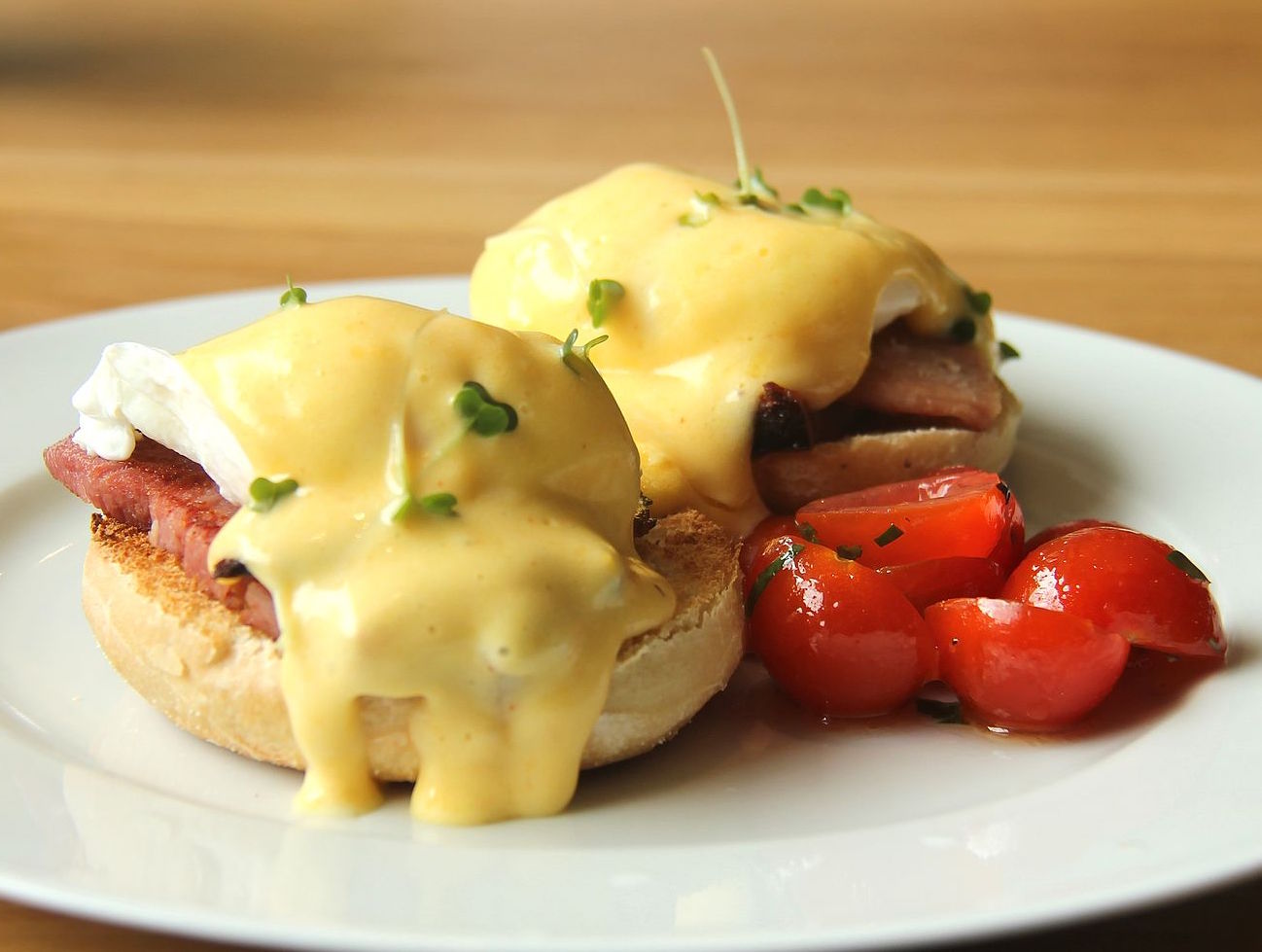
A short, focused menu tends to mean a kitchen that has practised its main dishes. Look for eggs cooked to order, bread and pastries baked in-house or sourced with care, and a few dishes that change with the season. A very long menu covering every cuisine can be a sign that much of it is reheated.
Seating and noise
Brunch rooms can be loud. For a conversation-heavy catch-up, ask about quieter corners or outdoor tables. For a group, check whether the place can seat everyone together or will split you across tables. Counter seats are ideal for one, as our guide to dining alone explains.
Pace and time limits
At busy weekend sittings, some restaurants set table time limits. That is fine if you know in advance and less fine if it comes as a surprise with your second coffee. Ask when you book or as you sit down.
Dietary needs
Check the menu online for vegetarian, vegan and allergy-friendly options. If anyone at the table is pregnant, eggs and smoked fish deserve a question. The NHS guidance on foods to avoid in pregnancy says British Lion or Laid in Britain hen eggs can be eaten raw or runny, but other hen eggs should only be eaten well cooked, and that cold-smoked and cured fish such as smoked salmon should be cooked until steaming hot. It also advises no more than 200mg of caffeine a day, which is worth knowing when the coffee keeps coming. Asking which eggs the kitchen uses is a natural addition to the questions to ask your server before you order.
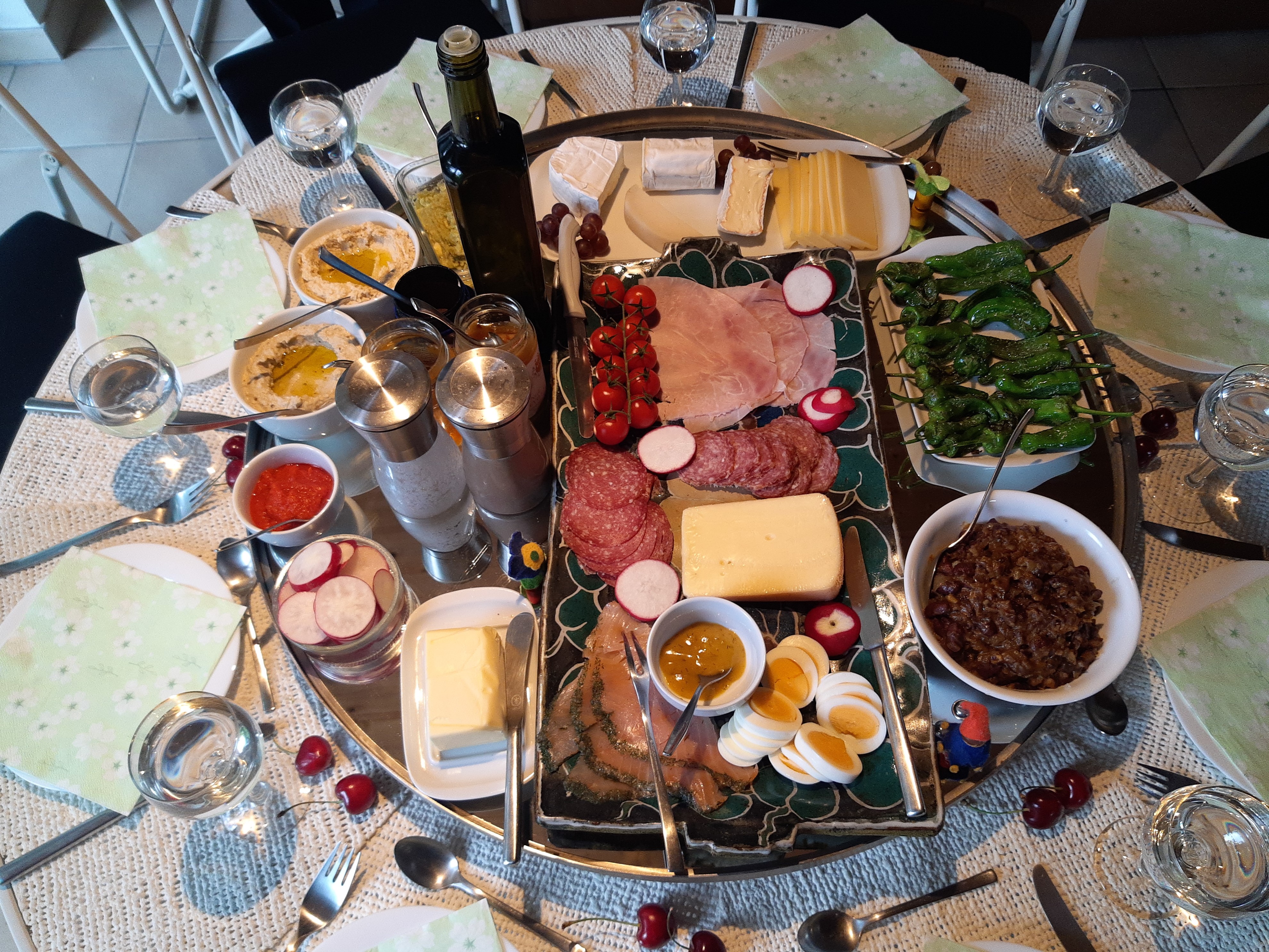
Comparing brunch spots at a glance
| Criterion | Worth the wait | Think twice |
|---|---|---|
| Booking | Bookings or a text-back waitlist | Unmanaged queue with no estimate |
| Menu | Short, focused, eggs cooked to order | Very long menu, many reheated items |
| Seating | Tables that suit your group size | Group split across the room |
| Pace | Clear time limits, or none | Unannounced rush to clear the table |
| Dietary options | Clear labels and staff who can answer | Vague answers about ingredients |
| Timing | Quieter early or late slots available | Only peak slots, always packed |
Matching the spot to the occasion
- Quiet catch-up for two: a smaller place with an early slot, or a weekday brunch if your schedule allows.
- Family with young children: space for a pushchair, quick-arriving dishes and a relaxed noise level.
- Celebration for a group: a place that takes bookings for larger parties and can seat everyone together. Ask about set menus for groups, which speed up ordering.
- Brunch before something else: pick a place near your next stop and book the first sitting.
Frequently asked questions
Is a long queue a sign of a good brunch place?
Not necessarily. It shows popularity and sometimes good food, but it can also reflect a small room, a trend or a lack of bookings. Use the menu and policy checks above as well.
What time is best to avoid the brunch rush?
Earlier sittings and the tail end of service are usually quieter than the late-morning peak. Weekdays are calmer still, if you can manage one.
Can I book brunch for a large group?
Many places take group bookings, sometimes with a set menu or deposit. Ask early, because large tables at weekend peak times are limited.
Picking your next brunch
Check whether you can book, read the menu for focus and freshness, think about who is coming and what they need, and choose a time outside the late-morning crush. Ask about eggs if anyone is pregnant. For more ideas on choosing places for particular moments, browse our occasions guides.