A gastropub is a pub that takes its food as seriously as its drinks. The building, the bar and the relaxed feel are still those of a pub, but the kitchen cooks to something close to restaurant standard, and many people go there to eat rather than only to drink. If you want a proper meal without the formality of a restaurant, a gastropub is often the right choice. This guide explains where the idea came from, what to expect when you walk in, and how to tell a good one from a pub that has simply reprinted its menu.
Key takeaways
- A gastropub is a pub where the food gets roughly equal billing with the drink.
- Expect pub informality with a more ambitious, often seasonal menu.
- Ordering varies: some take orders at the table, others still at the bar, so ask.
- Booking is worth it at weekends, especially for Sunday lunch.
Where the gastropub idea came from
Traditional British pubs were first and foremost places to drink. Food was often an afterthought: a few sandwiches, crisps, perhaps a pie. According to the encyclopaedia entry on the gastropub, the term itself was coined in London in 1991, when two publicans took over a pub and began cooking food of restaurant quality, with a nearly equal emphasis on eating and drinking. The word borrows from gastronomy, and the format spread through the UK and the US in the 1990s and early 2000s.
Today the label covers a wide range. At one end are places with chalkboard menus and a couple of daily specials; at the other are dining rooms that happen to have a bar at the front. What they share is the sense that the kitchen is a reason to visit, not a side business.
Gastropub vs pub vs restaurant
The differences are easiest to see side by side. Treat this as a general pattern rather than a rule: individual places vary a great deal.
| Traditional pub | Gastropub | Restaurant | |
|---|---|---|---|
| Main draw | Drinks and company | Food and drink in similar measure | Food |
| Menu | Short, often fixed | Changes more often, frequently seasonal | Planned around the kitchen’s style |
| Ordering | Usually at the bar | Table service or at the bar, depending on the place | Table service |
| Atmosphere | Casual | Casual to relaxed-smart | Casual to formal |
| Booking | Rarely needed | Advisable at busy times | Often expected |
| Drinking without eating | Normal | Usually welcome in the bar area | Less usual |
If you are unsure which of the three suits an occasion, our comparison of fine dining and casual dining sets out the trade-offs between formality and ease.
What to expect on a gastropub menu
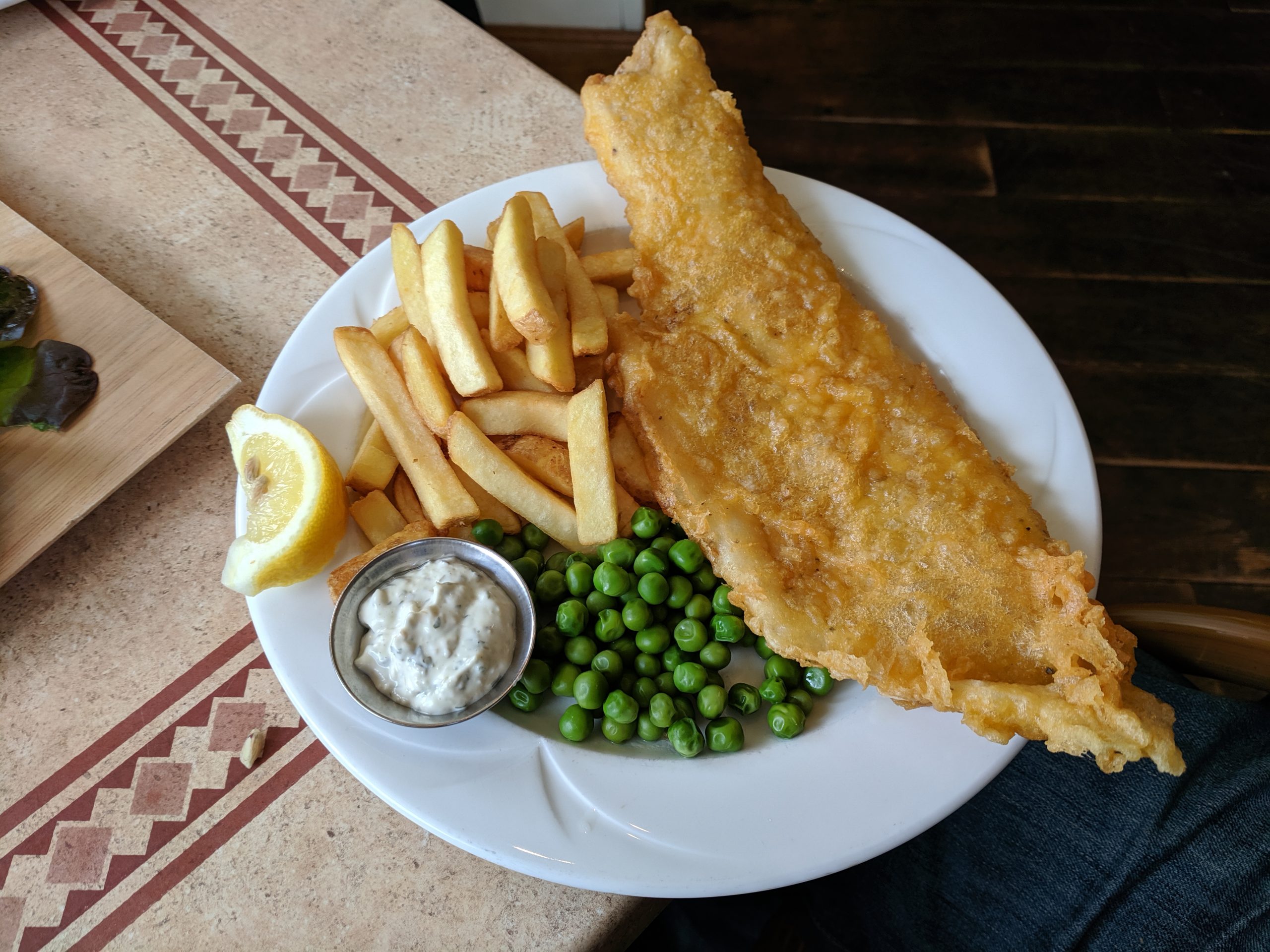
Gastropub menus tend to lean on familiar dishes cooked with care: a well-made pie, fish and chips with proper batter, a roast on Sundays, a steak, a seasonal soup. Alongside those you will often find a few more ambitious plates that change with what the kitchen can buy that week. Starters and sharing boards are common, and puddings are usually British classics rather than elaborate desserts.

Because the menu changes, the blackboard matters. Read it before you settle on something from the printed card, and ask what the kitchen is proud of that day. Our guide to reading a menu like a regular covers the clues that tell you what a kitchen does best.
In England, larger businesses must show calorie information. The government’s calorie labelling guidance applies to businesses with 250 or more employees from 6 April 2022 and explicitly includes pubs, so if your gastropub belongs to a large group you may see kcal figures beside each dish and the statement that adults need around 2,000 kcal a day. Smaller independent places are not required to do this.
How ordering usually works
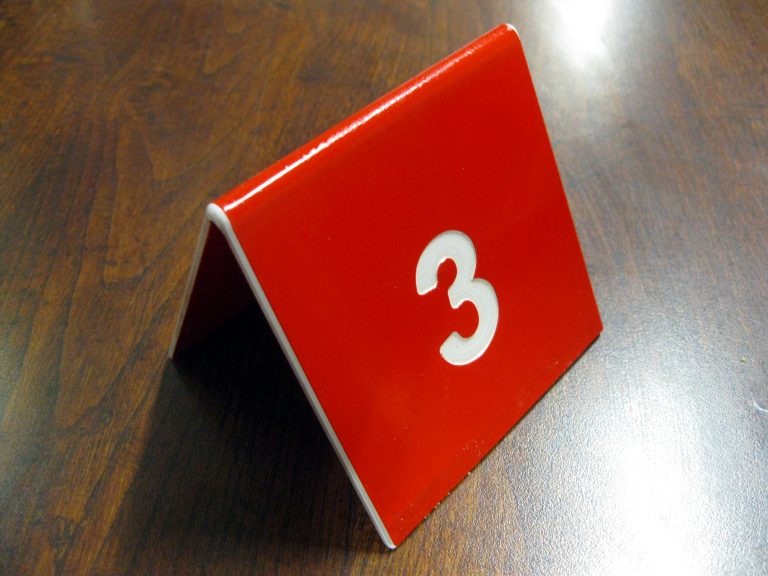
This is where first-time visitors get caught out. In a traditional pub you order and pay at the bar. Many gastropubs offer table service for food, but plenty still ask you to order at the bar and then bring the dishes to you, sometimes after giving you a table number. Drinks may be served at the table or fetched from the bar.
The simplest approach:
- When you arrive, ask whether to wait to be seated or find your own table.
- Ask whether food is ordered at the table or at the bar.
- If it is bar ordering, note your table number before you go up.
- Check whether you pay at the end or as you order.
None of this is awkward to ask. Staff answer the question all day.
Booking, timing and Sunday lunch
Because people come specifically to eat, popular gastropubs fill up at the same times restaurants do. Sunday lunch is often the busiest service of the week, and roasts can run out late in the afternoon. A quick call or online booking is sensible for weekend lunches, groups or a particular table by the fire. Midweek evenings are usually easier to walk into. The same courtesies apply as anywhere else, so our restaurant reservation etiquette checklist is a useful refresher on cancellations and running late.
Frequently asked questions
Can I just go to a gastropub for a drink?
Usually, yes. Most keep a bar area for drinkers. At busy mealtimes some tables may be held for diners, so check before sitting at a laid table.
Are children welcome in gastropubs?
Often, especially during the day, but each pub sets its own policy and hours. If you are bringing children, check the pub’s website or ask when you book.
Do gastropubs cater for allergies and special diets?
They must provide allergen information like any food business, but menus are smaller than in many restaurants, so the choice can be limited. Tell staff about allergies when you order and ask what the kitchen can adapt.
Choosing your next gastropub meal
Look for a short, changing menu, a kitchen that is happy to tell you what is in season, and staff who explain how ordering works without being asked twice. Book for Sunday lunch, walk in midweek, and order the dish the blackboard is shouting about. For more on the kinds of places worth knowing, browse our restaurant types guides.