BYOB and corkage come down to one rule: you may bring your own bottle only where the restaurant allows it, and corkage is the charge some places make for opening and serving it. Bring-your-own is common at small restaurants that do not sell alcohol, and some licensed restaurants also allow it on certain nights or for special bottles. What you cannot assume is that it is welcome everywhere. Below are the most common myths, set against what the rules and good manners actually say.
Key takeaways
- BYOB is the restaurant’s decision, so always ask before you arrive with a bottle.
- In England and Wales, selling alcohol needs a licence; simply drinking it is not one of the licensable activities.
- Corkage pays for glasses, service and washing up, and some places waive it.
- Rules differ between countries and even between local councils.
Myth: you can take your own wine to any restaurant
Fact: It is always up to the restaurant. Some welcome it, some allow it with a corkage charge, and many licensed restaurants do not allow it at all because selling drinks is part of how they run the business. If the website does not say, ask when you book. Turning up with a bottle and expecting it to be opened puts staff in an awkward position. The same courtesy applies as with any booking, which our restaurant reservation etiquette checklist covers in more detail.
Myth: an unlicensed restaurant is breaking the law by letting you drink
Fact: Not in itself, at least in England and Wales. The government’s alcohol licensing guidance lists the activities that need a licence under the Licensing Act 2003: selling alcohol, supplying alcohol in clubs, regulated entertainment and late night refreshment. Drinking alcohol you have brought yourself is not on that list, which is why some unlicensed restaurants are able to offer BYOB. The restaurant still cannot sell you alcohol without a licence, and a licensed restaurant may have conditions on its licence, so it is the restaurant’s call, not yours.
Myth: the rules are the same wherever you travel
Fact: They vary widely. In Queensland, Australia, for example, the state’s business guidance on BYO alcohol explains that BYO in restaurants is not regulated by the state liquor regulator, that some councils may need to be notified, that staff can refuse BYO, and that bringing alcohol into certain other venues, including cafés, is an offence. In parts of the United States, rules are set by each state and sometimes by county or city. When you travel, check the local position before you pack a bottle. Our guide to finding restaurants when travelling has more on reading local customs.
Myth: corkage is just a charge for opening the bottle
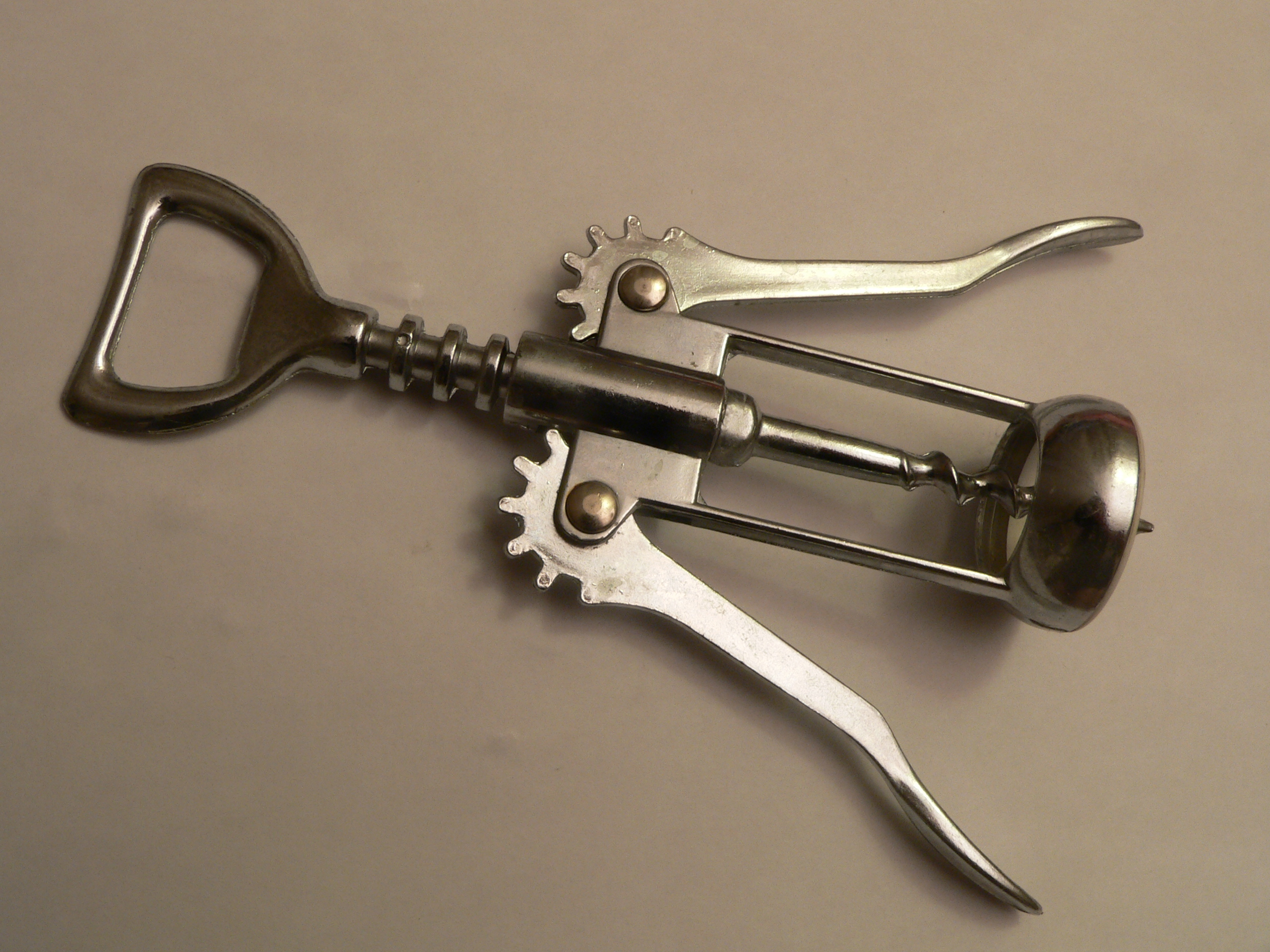
Fact: Corkage covers more than the corkscrew. The restaurant supplies and washes the glasses, may chill or decant the wine, and gives up the sale it would otherwise have made. That is why the charge exists, and why it is reasonable. Some restaurants waive it if you also order a bottle from their list, or on particular nights. Ask what the policy is rather than guessing.

Myth: it is fine to bring a wine that is already on the list
Fact: It is usually considered poor form. Restaurants that allow BYOB in licensed dining rooms often do so for something special: an old vintage, a gift, a bottle with personal meaning. Bringing the same wine they sell at a mark-up can look like you are avoiding their prices. If in doubt, check the list online first.
Doing BYOB and corkage well
One more myth is worth clearing up: that staff should not touch your bottle. In fact, handing it to your server lets them open it properly, offer suitable glasses and pour as they would for any other table. It also means they know what is on the table if anyone asks, and they can keep it chilled between pours if needed. The table below sums up the rest.
| Do | Avoid |
|---|---|
| Ask when you book whether BYOB is allowed and what corkage applies | Arriving with a bottle unannounced |
| Bring something you cannot easily order there | Bringing a wine from their own list |
| Hand the bottle to staff to open and pour | Opening it yourself at the table |
| Offer the sommelier or server a small taste of something special | Bringing more bottles than the table can drink sensibly |
| Order something from the menu to drink as well, if you can | Leaving empty bottles for staff to argue over |
Frequently asked questions
Do I still tip on a BYOB meal?
Tipping customs vary by country. Where tipping is usual, many diners tip on the food bill and add something for the wine service. Our guide to tipping etiquette abroad sets out the main customs.
Can I take an unfinished bottle home?
Ask the restaurant. Some will recork it for you; rules on carrying opened alcohol can vary by place, especially if you are driving or using public transport.
Is BYOB cheaper?
Often, but not always, once corkage is added. The real benefit is usually being able to drink a particular bottle with a meal.
Before you bring a bottle
Ask first, choose something the restaurant does not sell, hand it over to be served, and treat corkage as a fair price for the service. That keeps BYOB a pleasant extra rather than a source of friction. More advice on table manners and courtesy is in our etiquette guides.