A restaurant dress code is the venue’s guide to how formally guests are expected to dress, and most fall somewhere on a scale from casual through smart casual and business dress to jacket required, black tie and formal. The labels are often vague, so the safest approach is to check the restaurant’s website or ask when you book, then dress one notch smarter than you think you need. That way you will fit in whatever the room looks like when you arrive.
Here is what the common terms usually mean, why they vary so much, and how to handle the grey areas.
Key takeaways
- Most dress codes sit on a scale from casual to formal.
- Smart casual is the most common and the least clearly defined.
- “Jacket required” usually means a tailored jacket for men; ties may be optional.
- Black tie is an evening dress code with set elements.
- If in doubt, ask the restaurant when you book.
Why dress codes exist and why they are vague
Restaurants use dress codes to set the tone of a room, much as lighting and music do. A dress code tells guests what sort of evening to expect and helps everyone feel they are dressed for the same occasion.
The trouble is that most of the terms are loose. The encyclopaedia entry on dress codes notes that many places set their own private standards, and gives brief, general meanings for formal, semi-formal, business casual and casual dress, but the boundaries between them are rarely precise. Climate, culture and the type of venue all change what a word means in practice. A smart casual beach restaurant and a smart casual city dining room may expect quite different things.
The restaurant dress code terms, explained
| Term | What it usually means | Typical examples |
|---|---|---|
| Casual | Everyday clothes, clean and tidy | Jeans, T-shirts, trainers often fine |
| Smart casual | Casual with polished touches | Collared shirt or smart top, chinos or dark jeans, clean shoes |
| Business casual | Office wear without a suit | Collared shirt, trousers or skirt, no tie needed |
| Business or jacket required | Tailored jacket for men; equivalent smart dress for women | Blazer or suit jacket; tie sometimes optional |
| Black tie | Evening dress code with set elements | Dinner suit and bow tie; evening gown or similar |
| Formal or white tie | The most formal evening dress | Rarely seen in restaurants; mostly for special events |
Smart casual
This is the term you will meet most often, and the hardest to pin down. The encyclopaedia entry on smart casual calls it an ambiguously defined Western dress code that is generally casual with some well-dressed touches borrowed from a suit, and quotes a fashion director describing it as the dress code most open to interpretation and least understood. In a restaurant, it usually rules out sportswear, beachwear and very worn clothes, while allowing open collars and smart jeans.
Jacket required
Some traditional restaurants and clubs ask men to wear a tailored jacket. Ties are sometimes required too, sometimes not; the only way to know is to ask. Women are generally expected to dress at an equivalent level of formality.
Black tie
Black tie is mostly for special events rather than ordinary restaurant dinners. The encyclopaedia entry on black tie describes it as a semi-formal Western dress code for evening events, traditionally worn after 6pm and less formal than white tie. For men, the core is a dinner suit (a tuxedo in American English) with a black bow tie; for women, an evening gown or other fashionable evening wear.
How to get it right on the night
- Check before you go. Many restaurants state their dress code on their website. If not, ask when you book; it is a normal question.
- Read the type of place. Our comparison of fine dining and casual dining explains how the style of a restaurant tends to signal what to wear.
- Think about the occasion. A business meal calls for more care than a casual catch-up, whatever the venue. Our guide to choosing a business lunch restaurant covers that setting.
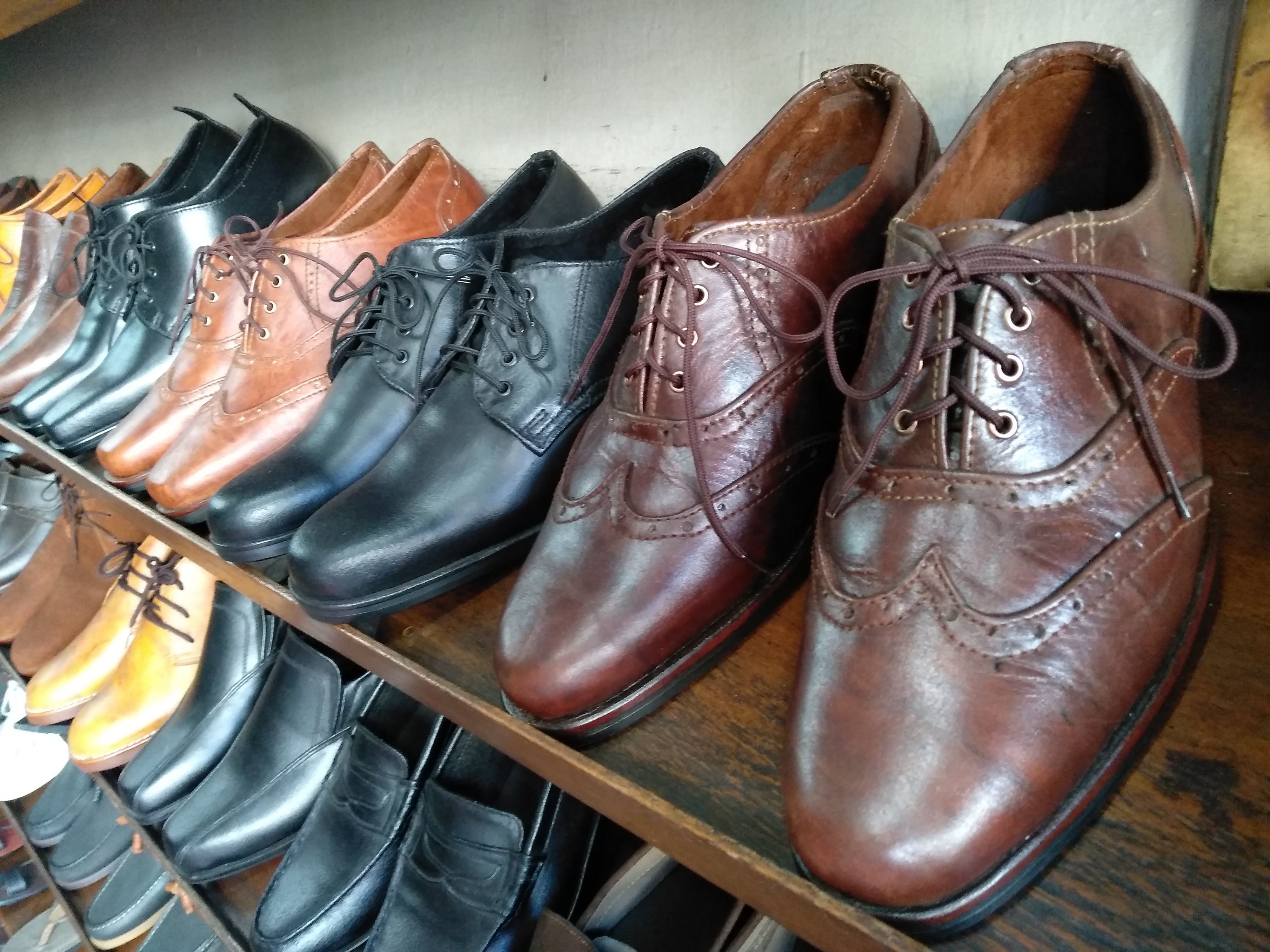
- Shoes matter. Clean, smart shoes often carry an outfit past a vague dress code. Worn trainers are the item most likely to look out of place.
- Plan around the rest of the evening. If you are heading to a show afterwards, dress for both; our walkthrough of pre-theatre dining has tips for evenings with two parts.
- Bring a layer. A jacket or smart cardigan solves both a stricter dress code and an over-cooled dining room.
Frequently asked questions
Can a restaurant refuse entry for not meeting its dress code?
Venues set their own dress standards, and a strict one may mean being asked to change or come back another time, which is another reason to check in advance. Some keep spare jackets for guests, but do not count on it.
Are jeans acceptable for smart casual?
Often, yes, if they are dark, clean and in good condition, and worn with a smarter shirt or top and shoes. Some places exclude denim altogether, so check if it matters.
Do dress codes apply to children?
Usually more loosely, but tidy clothes are still appreciated in more formal rooms. Ask when booking if you are unsure.
Dressing with confidence
Look up the dress code, translate the term using the table above, and dress one step smarter if you are unsure. When the wording is vague, a quick question when you book saves any awkwardness at the door. For more guidance on the social side of eating out, explore our etiquette guides.