The 14 allergens are the foods that UK law requires food businesses to declare: celery, cereals containing gluten, crustaceans, eggs, fish, lupin, milk, molluscs, mustard, tree nuts, peanuts, sesame, soya, and sulphur dioxide and sulphites. When you eat out, the restaurant must be able to tell you which of these are in every dish. Tell staff about your allergy before you order, ask specific questions, and do not rely on a menu symbol alone if your reaction can be serious.
Key facts
- UK food law names 14 allergens that must be declared when they are used as ingredients.
- Restaurants and cafés must give allergen information for every dish; they may give it verbally if they clearly tell you how to ask.
- Food made and packed on the same premises before you order (for example, a wrapped sandwich) must carry a full ingredients label under Natasha’s Law, in force since 1 October 2021.
- The law covers the 14 allergens only; for other allergies or intolerances, ask staff directly.
- Cross-contamination is the biggest hidden risk, so ask how the kitchen keeps your food separate.
What are the 14 allergens?
The list below follows the Food Standards Agency’s allergen guidance for food businesses, with examples of where each one often turns up on a restaurant menu.
| Allergen | Where you might find it when eating out |
|---|---|
| Celery (including celeriac) | Stocks, soups, gravies, salads, spice mixes |
| Cereals containing gluten (wheat, rye, barley, oats) | Bread, batter, pastry, pasta, sauces thickened with flour, beer |
| Crustaceans | Prawns, crab, lobster, some Asian pastes and sauces |
| Eggs | Mayonnaise, batters, glazes, fresh pasta, desserts |
| Fish | Fish sauce, Worcestershire sauce, Caesar dressing, some pizzas |
| Lupin | Some breads, pastries and gluten-free flours |
| Milk | Butter, cream, cheese, sauces, mashed potato, desserts |
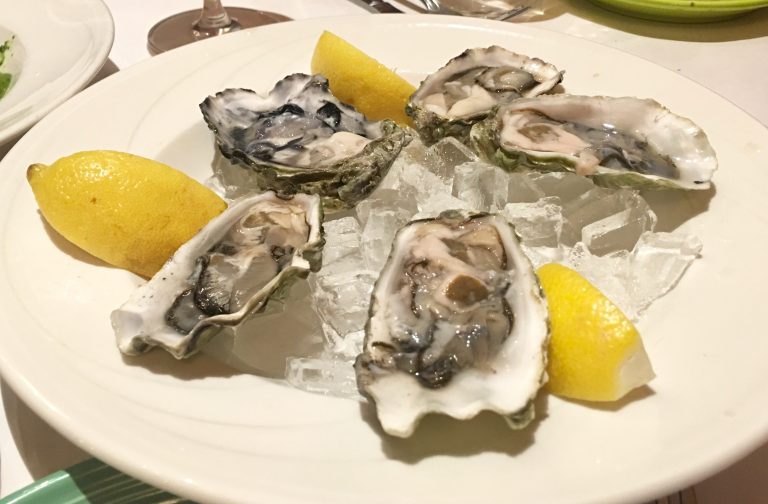
| Molluscs | Mussels, squid, oysters, oyster sauce |
| Mustard | Dressings, marinades, sauces, curries |
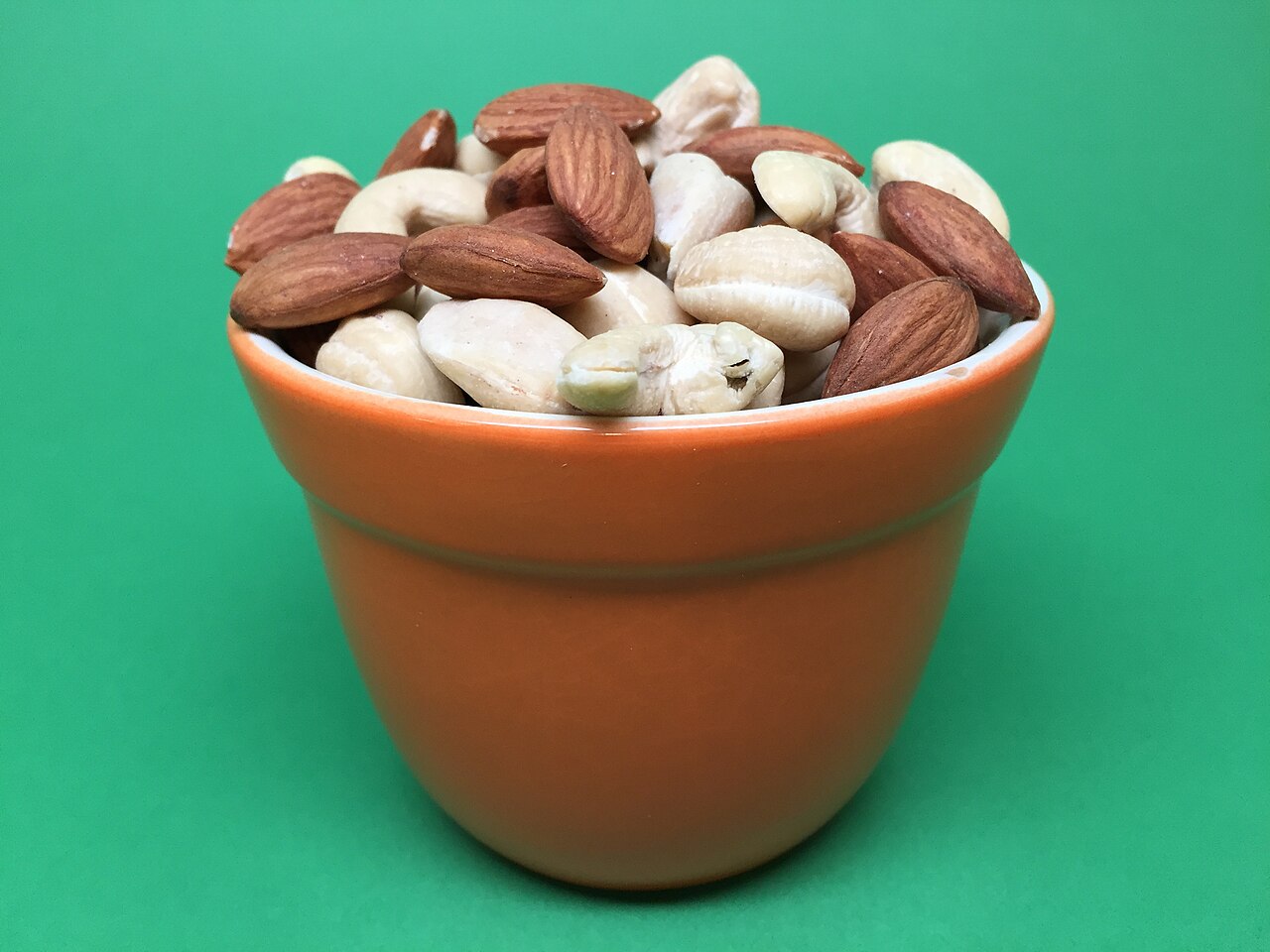
| Tree nuts | Pesto, desserts, curries, nut oils, praline |
| Peanuts | Satay, some curries and stir-fries, groundnut oil |
| Sesame | Bread toppings, hummus (tahini), oils, dressings |
| Soya | Soy sauce, tofu, some breads, vegan dishes |
| Sulphur dioxide and sulphites | Wine, dried fruit, some sausages and pickles |
What must a restaurant tell you about allergens?
For food that is not prepacked, such as a plated meal in a restaurant, the business must be able to tell you whether any of the 14 allergens are in each dish. It can give that information in writing, for example on the menu or in an allergen folder, or by speaking to you. If it chooses to tell you verbally, it must make clear how you can get the information, usually through a note on the menu or a sign asking you to speak to staff.
In 2025 the Food Standards Agency also published best-practice guidance for non-prepacked food, encouraging businesses to provide allergen information in writing and to back it up with a conversation. It is guidance rather than law, so practice still varies between restaurants.
What is Natasha’s Law?
Natasha’s Law covers food that is prepacked for direct sale: items made, wrapped and sold on the same premises before you order them, such as a sandwich in a café chiller. Since 1 October 2021, these foods must carry the name of the food and a full ingredients list with the 14 allergens emphasised, as explained in the Food Standards Agency’s introduction to PPDS labelling. Food made to order in front of you is not covered by this labelling rule, but the general duty to give allergen information still applies.
How do you order safely with a food allergy?
- Research before you go. Look at the menu online and phone ahead if your allergy is severe or unusual.
- Tell staff before you order. Say what you are allergic to and how serious the reaction is.
- Ask specific questions. “Is there any milk in the sauce or the mash?” works better than “Is this OK for me?”
- Ask about cross-contamination. Shared fryers, chopping boards and toppings are common risks.
- Check again when the food arrives. Confirm with the person serving that it is the allergy-safe dish.
- Carry your medication. If you have been prescribed adrenaline auto-injectors, take them with you every time.
For more ways to talk to the kitchen through staff, see our list of questions to ask your server, and for changing a dish, our guide to menu substitutions.
What about allergies that are not on the list?
The legal duty covers only the 14 allergens. If you react to something else, such as a particular fruit, legume or spice, the restaurant does not have to label it, so you need to ask. Most kitchens will check ingredient labels for you if you explain. The NHS page on food allergy covers symptoms and when to seek help.
What should you do if you have a reaction in a restaurant?
Treat signs of a severe reaction, such as swelling of the throat or tongue, difficulty breathing or feeling faint, as an emergency. Use an adrenaline auto-injector if you have one and call 999. Tell staff straight away so they can help and keep the food for investigation. If you have a milder reaction or think you were given the wrong information, tell the manager and you can report it to your local authority’s food safety team.
Frequently asked questions
What are the 14 allergens in the UK?
Celery, cereals containing gluten, crustaceans, eggs, fish, lupin, milk, molluscs, mustard, tree nuts, peanuts, sesame, soya, and sulphur dioxide and sulphites. Food businesses must declare them when they are used as ingredients.
Do restaurants have to tell you about allergens?
Yes. For non-prepacked food, restaurants must be able to tell you which of the 14 allergens are in each dish. They can do this in writing or verbally, but if verbally, they must make clear how to ask for the information.
What is Natasha’s Law?
Since 1 October 2021, food that is prepacked for direct sale, such as a sandwich made and wrapped on the premises, must show the food’s name and a full ingredients list with the 14 allergens emphasised.
Can a restaurant guarantee a dish is allergen-free?
Many cannot, because ingredients are handled in a shared kitchen. Ask how the kitchen prevents cross-contamination and decide based on how severe your allergy is.
Does the law cover allergies outside the 14?
No. Other allergens do not have to be declared, so tell staff about your allergy and ask them to check ingredients for you.
The short version
Know the 14 allergens, tell staff before you order, ask specific questions about ingredients and cross-contamination, and carry any prescribed medication. Restaurants must give you allergen information, but you get the best answers by asking clearly and early. For more ordering advice, browse our Ordering guides.
Featured photo: Bowl of Cashews and Almonds by NIAID, CC BY 2.0.