The difference in bistro vs brasserie comes down to scale and formality: a bistro is traditionally a small, modest place serving simple home-style cooking, while a brasserie is a larger, more organised French restaurant that serves the same menu all day, with printed menus and professional service. A trattoria is the Italian cousin of the bistro, an informal eatery serving plentiful regional dishes, more relaxed than a ristorante. Those are the traditions. Today the words are also used freely as branding, so treat them as a useful hint and check the menu.
Key takeaways
- Bistro: small and modest, with simple, hearty home-style French cooking.
- Brasserie: relaxed but organised, often open every day with one menu served all day.
- Trattoria: informal Italian eatery with regional dishes, between a ristorante and an osteria in formality.
- The labels are traditions, not regulations. Read the menu before relying on the name.
Bistro vs brasserie vs trattoria at a glance
Encyclopaedia entries give a clear picture of what each word was originally meant to describe.
| Bistro | Brasserie | Trattoria | |
|---|---|---|---|
| Origin | Paris | France and Belgium | Italy |
| Word origin | Uncertain; first in print in 1880 | French for “brewery” | Related to the French traiteur, a caterer |
| Size and feel | Small, modest, informal | Relaxed but larger and more structured | Informal, sometimes with shared tables |
| Menu | Simple, robust home cooking | A short list of traditional dishes, served all day | Modest but plentiful regional recipes |
| Service | Casual | Professional service, printed menus | Casual; traditionally sometimes no printed menu |
| Drinks | Wine and spirits | Plenty of beer, plus wine and spirits | Wine, traditionally by the carafe |
| Classic dish | Slow-cooked stews such as cassoulet | Steak frites | Depends on the region |
The bistro: small, simple and personal
Wikipedia’s entry on the bistro describes a small restaurant serving simple meals in a modest setting, originating in Paris. The cooking is French home cooking, typically robust and earthy, with dishes such as cassoulet. The origin of the word itself is uncertain; a popular story about Russian soldiers demanding quick service in 1814 has been dismissed by linguists, and the term does not appear in print until 1880.
The entry also notes, citing the Oxford Companion to Food, that by the late twentieth century the word had begun to be adopted by more ambitious places. That is worth remembering: a “bistro” today can be anything from a tiny neighbourhood room to a polished dining room using the word for its charm.
The brasserie: all day, every day
The word brasserie is French for “brewery”, which explains why most still keep plenty of beer, though they usually serve wine and spirits too. The defining features are practical. A brasserie is typically open every day and serves the same menu all day long, and it is expected to offer professional service, printed menus and, traditionally, white linen. That is the key contrast with a bistro, which may have none of those.
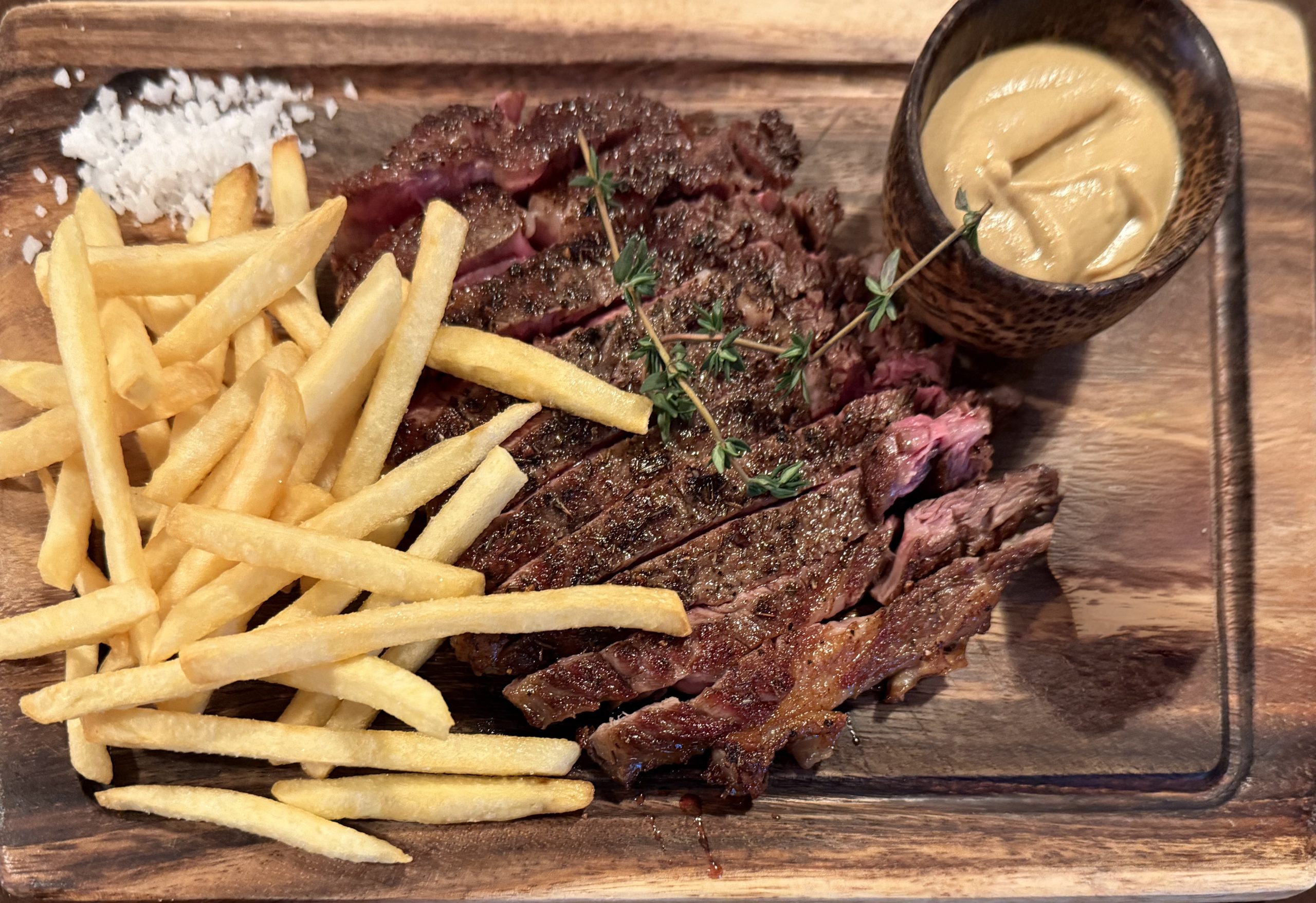
For a diner, that means a brasserie is often the easiest place to get a proper meal at an odd hour: a late lunch, an early dinner before a show, or a plate of steak frites mid-afternoon.

The trattoria: Italy’s informal table
The trattoria sits between two other Italian labels. It is generally less formal than a ristorante but more formal than an osteria. The traditional trattoria often had no printed menu, served modest but plentiful dishes based on regional and local recipes, sometimes at shared tables, and sold wine by the carafe. Wikipedia notes that this tradition has faded in recent decades as many trattorie have taken on features of a ristorante.
If you want the closest thing to Italian home cooking, the trattoria label is a reasonable starting point; just expect variation.
How to use the labels when choosing
The labels are most useful as a quick filter, especially when you are travelling.
- Want a quick, flexible meal at an unusual hour? A brasserie is built for it.
- Want a small room and a short menu of comforting dishes? Look for a bistro, then read the menu to check it still means that.
- Want regional Italian cooking without ceremony? A trattoria is the natural choice.
- Not sure what you are walking into? Read the menu posted outside. Our guide on how to read a menu like a regular shows what to look for in a couple of minutes.
The same logic applies to the wider split between relaxed and formal restaurants, which our comparison of fine dining and casual dining covers in more detail. Many brasseries and trattorie also suit a long lunch, the kind described in our piece on slow dining. Explore more in our restaurant types section.
Frequently asked questions
Is a brasserie more formal than a bistro?
Traditionally, yes, in the sense that a brasserie is expected to have professional service, printed menus and often white linen, while a bistro may have none of these. In practice both can be relaxed, so the menu and the room are better guides than the name.
Does the name guarantee a particular style?
No. The encyclopaedia entries describe traditions, and the words are widely used as part of restaurant names, sometimes loosely. Treat them as a hint about style, not a promise.
What is the difference between a trattoria and an osteria?
Traditionally, an osteria is the most informal of the Italian labels, a trattoria is a step up, and a ristorante is more formal still. Over time the lines have blurred, and many places mix features of all three.
Read the label, then read the menu
The words on the sign are a useful first clue: small and simple for a bistro, all-day and organised for a brasserie, regional and informal for a trattoria. But the menu is the real evidence. Spend a minute reading it before you sit down, and you will know whether the place lives up to its label.