A counter service restaurant is one where you order and usually pay at a counter rather than at your table. Depending on the place, you then collect your food, wait for your number or name to be called, or have it brought to you, and you find your own seat. The format covers a wide range, from fast food and fast casual chains to cafés, delis, bakeries and food halls. What ties them together is the trade-off: less service at the table in exchange for speed, flexibility and a more casual atmosphere.
Key takeaways
- Counter service means ordering, and usually paying, at a counter instead of at the table.
- It spans fast food, fast casual, cafés, delis and food halls.
- Fast casual places typically make food to order and aim higher on quality than fast food.
- A few courtesies help: know your order before you reach the front, keep tables free for those eating, and clear up if that is the custom.
What makes a counter service restaurant
The defining feature is where the transaction happens. In a table-service restaurant, a server takes your order, brings the food and handles the bill at the table. In a counter-service restaurant, most of that happens at the counter. After that, styles vary:
- Collect when ready: you wait at a pick-up point for your name or number.
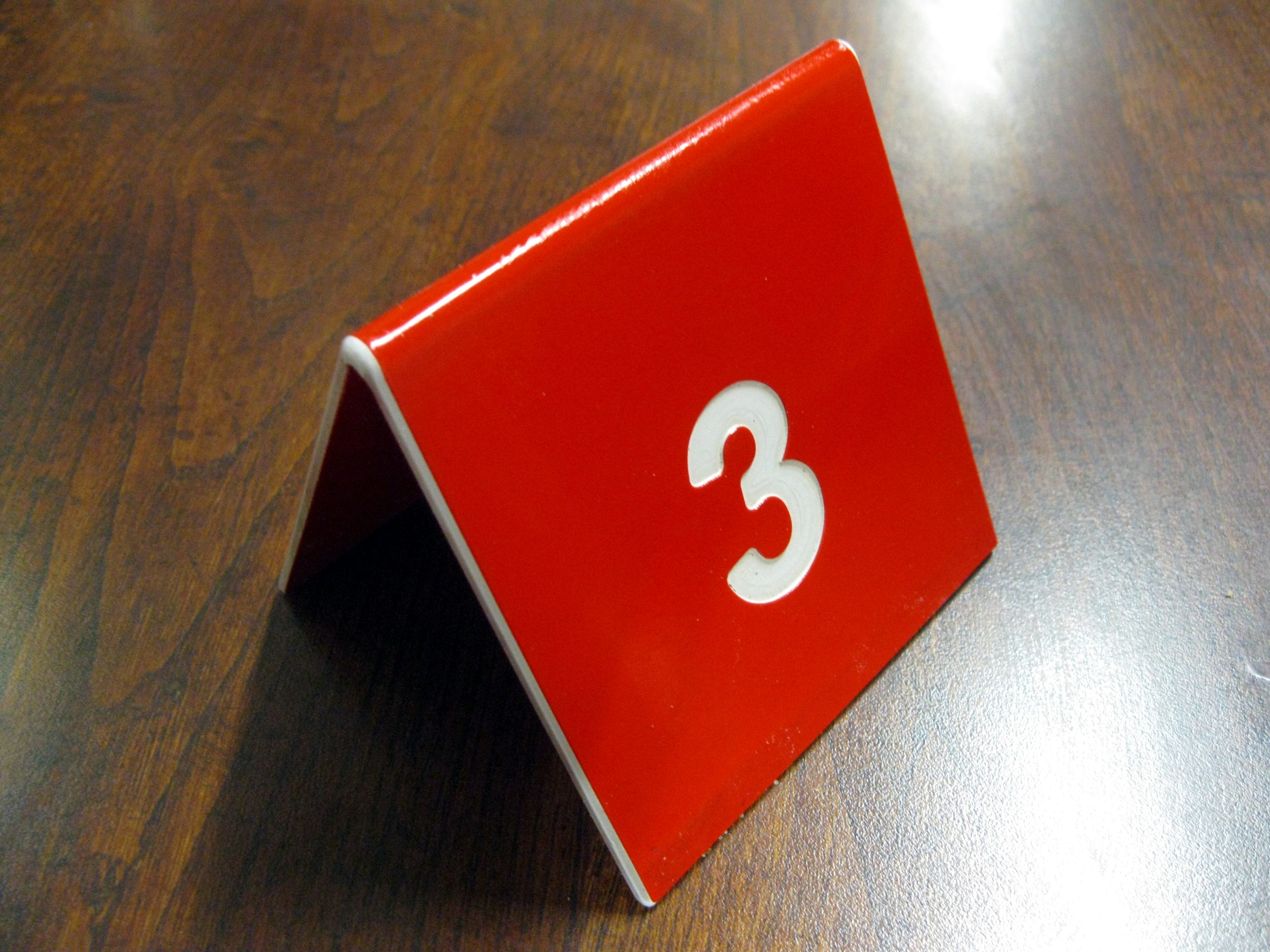
- Food brought to you: you take a number or table marker and staff deliver the food.
- Ready-made: you pick from a display and leave with it straight away.
Seating ranges from none at all to large dining rooms, and many places also do takeaway.
Why choose it? The format has clear strengths:
- Speed. Without waiting for a server, a meal can fit into a short lunch break.
- Control. You see the menu, order exactly what you want and pay up front, so there is no wait for the bill at the end.
- Flexibility. You can eat in, take away, or stay for a coffee without committing to a full meal.
- Ease with children and groups. Everyone orders separately and nobody needs to sit through several courses.
Counter service, fast food and fast casual
The labels overlap but are not identical. Wikipedia describes a fast-food restaurant as one with minimal table service, serving food from a limited menu that is cooked in bulk in advance and kept hot, then finished and packaged when ordered; customers typically order at a counter, and many sites add a drive-through. A fast-casual restaurant sits between fast food and casual dining: it does not offer full table service, makes meals to order and promotes higher-quality food than fast food. The term “fast casual” dates from the 1990s.
| Fast food | Fast casual | Café, deli or bakery | Table-service casual dining | |
|---|---|---|---|---|
| Where you order | Counter, kiosk or drive-through | Counter | Counter | At your table |
| Food preparation | Largely cooked in advance and kept hot | Made to order | Mix of ready-made and made to order | Cooked to order |
| Seating | Often limited; takeaway common | Usually some seating | Varies widely | Full dining room |
| Service at the table | Minimal | Minimal | Minimal | Full |
| Typical visit | Very quick | Quick | Flexible | Longer |
Our comparison of fine dining and casual dining covers the table-service side of the spectrum, and our guide to bistros, brasseries and trattorias shows how other restaurant labels signal what to expect.
How to order smoothly
Counter queues move best when everyone is ready. A few habits help:
- Read the menu board while you queue. Decide before you reach the front. Our tips on how to read a menu apply to boards as much as printed cards.
- Ask about allergens at the counter. Labelling rules depend on where you are; in the US, the Food and Drug Administration’s menu labelling requirements require chains with 20 or more locations to show calories and make further nutrition information available on request. Whatever the size of the business, tell staff clearly about allergies.
- Check how food is served. Will your name be called, will you get a number, or will it come to the table? Ask if it is not obvious.
- Have payment ready. Many counters are card-only or have self-service screens.
Seating and tidying up
Seating etiquette is where counter service differs most from a sit-down restaurant.
- Order first, then sit, unless the place asks you to find a table first. Holding a table while you queue can block it at busy times.
- Do not hold more seats than you need, especially at lunchtime.
- Clear up if that is the custom. Many counter-service places expect you to return trays and sort waste; look for return points or signs.
- Move on when you have finished if the room is busy and people are waiting with trays.
For more on different kinds of places to eat, see our restaurant types section.
Frequently asked questions
Is a counter service restaurant the same as fast food?
No. Fast food is one kind of counter service. Cafés, delis, bakeries, food halls and fast-casual restaurants also take orders at the counter, often with food made to order and a more relaxed room.
Should I tip at a counter service restaurant?
Customs vary by country and by place. Read any tip prompt on the card machine as an option rather than an obligation, and follow local practice; our guide to tipping customs abroad explains how much these differ.
Can I sit down before ordering?
It depends on the restaurant. Some ask you to order first; others are happy for you to find a table, especially if you are with a group. If you are unsure, ask at the counter.
Choosing counter service well
Counter service is at its best when you want good food without a long meal: a quick lunch, an easy dinner with children, or a bite between plans. Pick somewhere that makes food to order if quality matters, know your order before you reach the front, mention any allergies clearly, and leave the table as you would want to find it.