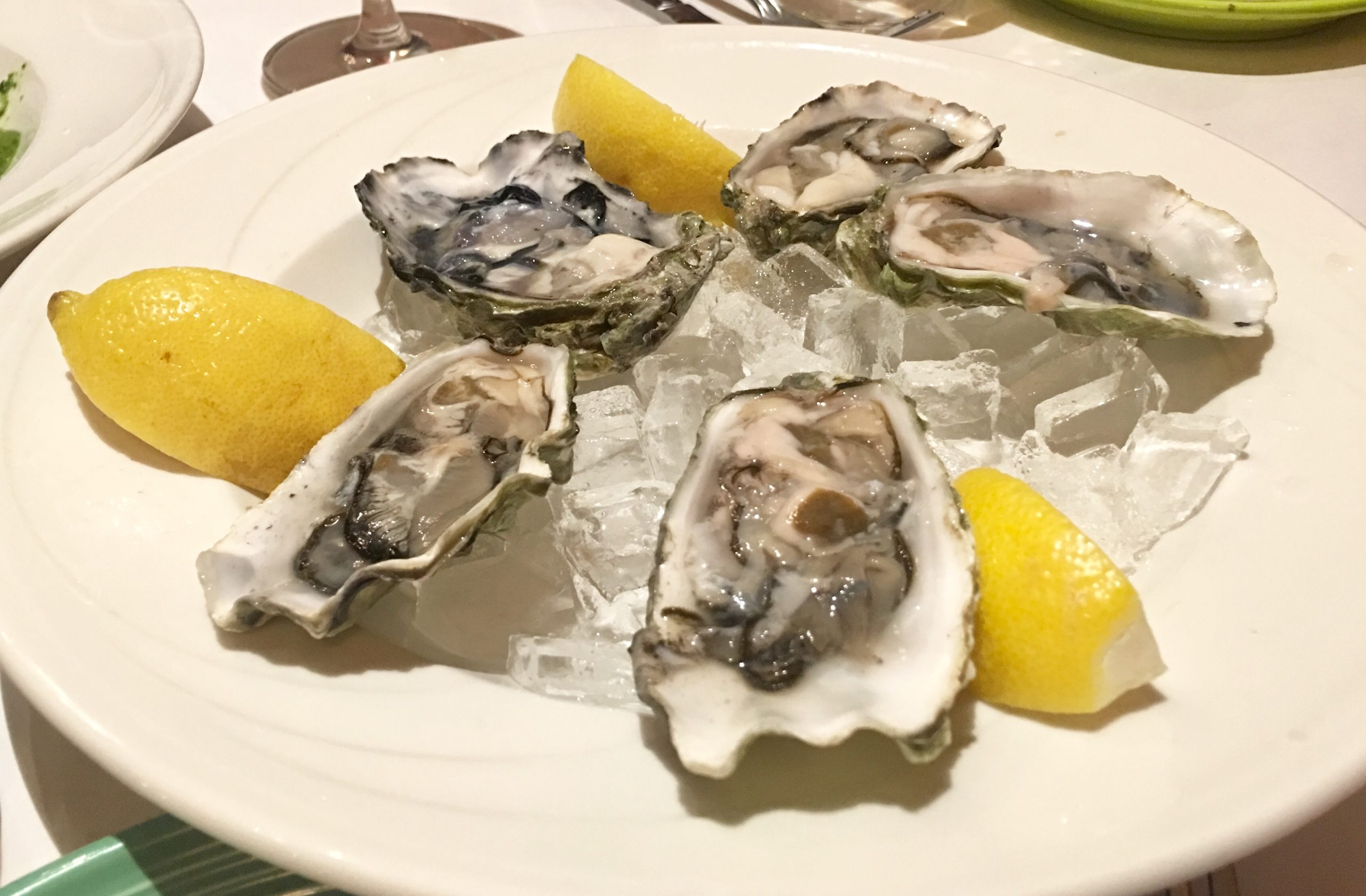
Ordering raw oysters is mostly about knowing who should not eat them and which old rules to ignore. Raw oysters can carry bacteria such as Vibrio whatever the month or however fresh they look, and no squeeze of lemon changes that. For most healthy adults the risk is small, but pregnant people, young children, older adults and anyone with a weakened immune system or certain long-term conditions are advised to avoid raw or undercooked shellfish. If that is you, order them cooked.
Below, the most common beliefs are set against what public health agencies actually say.
Key takeaways
- Raw oysters can carry harmful bacteria in any month.
- Warm months carry higher risk, which is where the R-month rule comes from.
- Lemon, sauce and a drink do not make a raw oyster safe.
- You cannot see or smell the bacteria that cause most illness.
- People in higher-risk groups should choose cooked oysters.
Why the myths around ordering raw oysters matter
The US Centers for Disease Control and Prevention notes in its overview of vibriosis that most people get the infection by eating raw or undercooked shellfish, particularly oysters. The CDC estimates around 80,000 cases of vibriosis a year in the United States, with about 52,000 of them caused by contaminated food. Most cases are mild, but some are serious, which is why the risk groups below matter.
Raw oysters are also unusual on a menu because they are served alive. The encyclopaedia entry on oysters notes that fresh oysters must be alive just before they are eaten or cooked. That makes freshness and handling more important than for almost anything else you might order.
Four myths, one by one
Myth: only eat oysters in months with an R
Fact: The rule is half right. The oyster entry explains that oysters were once assumed to be safe only in months with an “r” in their name, and that the idea has some basis, because oysters are much more likely to spoil in the warmer months of May, June, July and August. The CDC similarly notes that Vibrio bacteria are found in higher numbers from May through October, when water is warmer. So the risk is higher in summer, but it is not zero in other months, and the rule says nothing about harvest areas in the southern hemisphere, where the seasons are reversed.
Myth: lemon, hot sauce or a strong drink makes raw oysters safe
Fact: Official advice on reducing the risk of vibriosis is about cooking, not condiments. The CDC’s guidance lists methods such as boiling, frying or baking shucked oysters for set times; it does not list lemon juice, sauce or alcohol among them. Enjoy the lemon for flavour, not protection.

Myth: you can tell a bad oyster by looking at it
Fact: You can spot some problems, but not the main one. The US Food and Drug Administration’s advice on selecting and serving seafood safely says live oysters should close when tapped and that any with cracked or broken shells should be discarded. It also points to tags on sacks or containers of live shellfish, which carry details including the processor’s certification number. Those checks help weed out dead or damaged shellfish. Bacteria, though, are invisible, so a perfectly fresh-looking oyster can still make someone ill.
Myth: only people with sensitive stomachs need to worry
Fact: The CDC says anyone can get a Vibrio infection, but some people are at much higher risk. It lists conditions including liver disease, cancer, diabetes and HIV, as well as treatment that suppresses the immune system, medicines that reduce stomach acid and recent stomach surgery. The FDA advises pregnant women, children, older adults and people with weakened immune systems to avoid raw or undercooked seafood, specifically including raw oysters, and notes that post-harvest treatment removes some naturally occurring pathogens but not all.
Quick reference
| Belief | What the official advice says |
|---|---|
| Only eat them in R months | Risk is higher in warm months, but not zero at other times |
| Lemon or sauce kills the bacteria | Cooking is the method agencies recommend for reducing risk |
| A fresh-looking oyster is a safe one | Bacteria cannot be seen; check shells and freshness anyway |
| Only people with weak stomachs are at risk | Anyone can be infected; some health conditions raise the risk sharply |
| Treated oysters are risk-free | Post-harvest treatment removes some pathogens, not all |
How to order with confidence
A few questions to staff go a long way, and they fit naturally with the questions worth asking your server before you order:
- Where are today’s oysters from, and when did they arrive?
- Are any of the oysters on the menu cooked, or can they be?
- Are they shucked to order?
Then order a few to start rather than a large platter; as with ordering small plates for the table, you can always add more. If an oyster smells unpleasant or looks dried out, do not eat it; leave it and tell your server, as you would with any dish that is not right. Our guide on how to send food back politely covers how.
Frequently asked questions
Are cooked oysters a good alternative?
Yes. Cooking is what agencies recommend to reduce the risk, and plenty of menus offer oysters grilled, baked or fried.
Should I avoid oysters in summer?
If you are in a higher-risk group, avoid raw oysters at any time of year. If you are healthy, be aware that warm months carry more risk, and choose places with high turnover and good handling.
What should I do if I feel unwell after eating oysters?
Seek medical advice, especially if you are in a higher-risk group, and mention that you ate raw shellfish.
Ordering your next plate
Know your own risk, ignore the lemon myth, order a few from a place that clearly handles them well, and choose cooked if you are in a higher-risk group. For more help at the ordering stage, browse our ordering guides.